
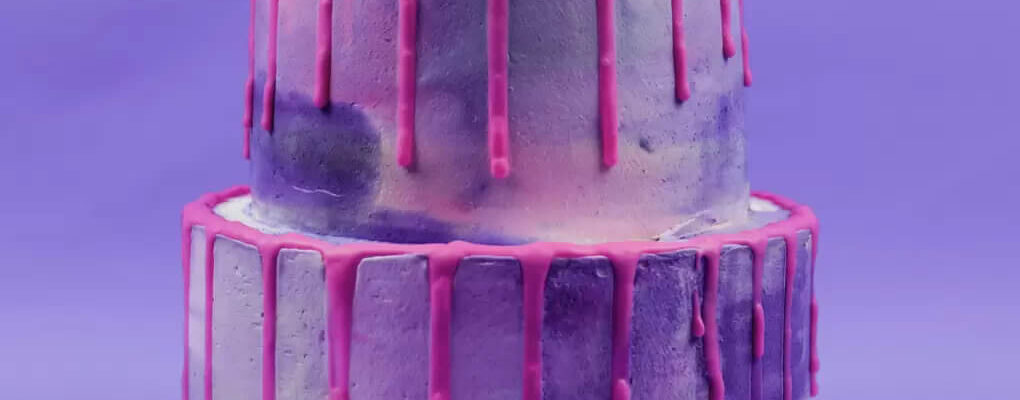
Best Edible Glues for All Your Baking Needs
Published February 5, 2023 · Updated August 31, 2026
The best edible glue depends on what you are attaching and the surface underneath. A tiny chocolate dot can suit a light decoration on a macaron; royal icing can bond dry sugar decorations; clear food-labeled adhesive can help with fondant details. None of these replaces proper supports for a tiered cake or guarantees that a heavy topper will stay upright.
Quick guide: choose the adhesive for the job
| Adhesive | Useful starting point | Main limitation |
|---|---|---|
| Melted chocolate or confectionery coating | Small chocolate pieces and light decorations on dry shells | Adds color and flavor; warmth can weaken the bond |
| Stiff royal icing | Dry icing decorations and suitable cookie or gingerbread joins | Needs time to dry; most meringue-powder versions contain egg |
| Ready-made clear edible glue | Small fondant or sugarpaste details on compatible surfaces | Follow product directions; not structural cake support |
| Food-grade CMC/tylose glue | Sugarpaste modeling and light sugarcraft details | Mixing and storage depend on the product |
| A tiny amount of water | Some fresh fondant-to-fondant joins | Too much makes a slippery surface; poor choice for delicate macaron shells |
Start with a test piece, especially if the dessert will be chilled, transported or displayed in warm conditions. The weight of the decoration, the contact area and the time allowed to set matter as much as the adhesive.
Choose a genuinely edible product
Only use adhesives sold for edible food decoration. Craft glue, hot-glue sticks and products labeled only “non-toxic” are not substitutes. The FDA’s guidance on decorative products makes the same important distinction for glitter and dust: edible labeling and ingredients matter.
Check the decoration as well as the glue. A sugar flower may include wire or another non-edible support. Keep such parts out of servings and do not let glue turn a craft decoration into something guests might mistake for food.
Chocolate as edible glue
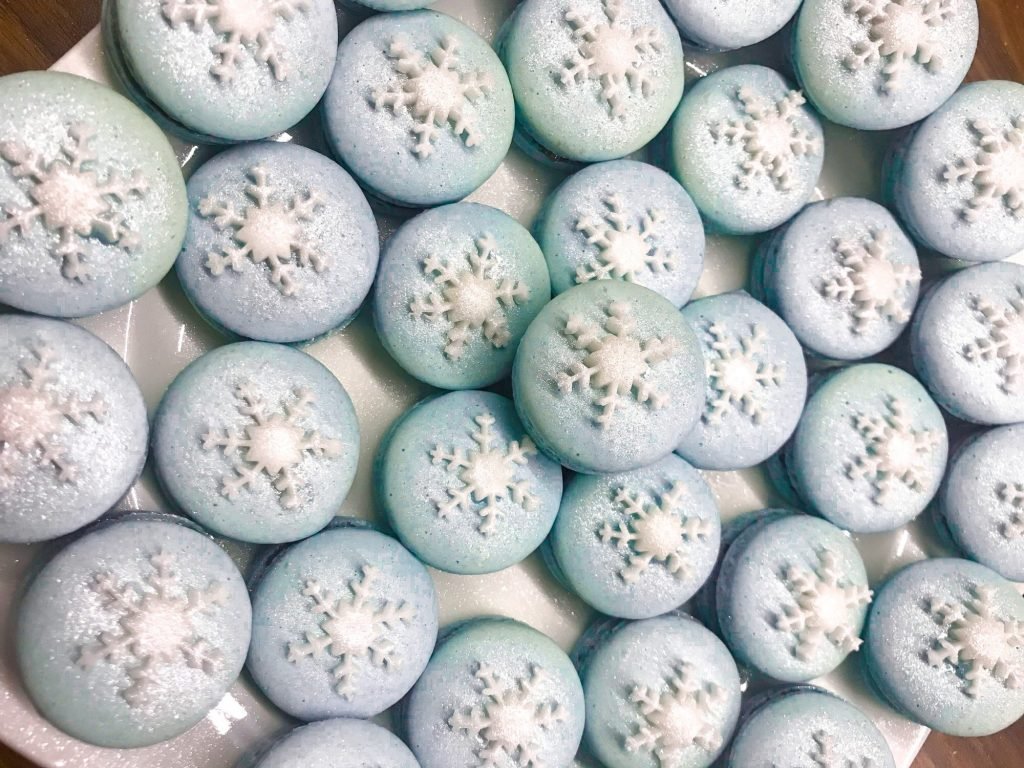
For small details on dry macaron shells, use a minimal dot of chocolate and support the decoration while it sets. Choose a color that will not show around the edge. Avoid flooding a fragile shell with warm chocolate or pressing hard enough to crack it.
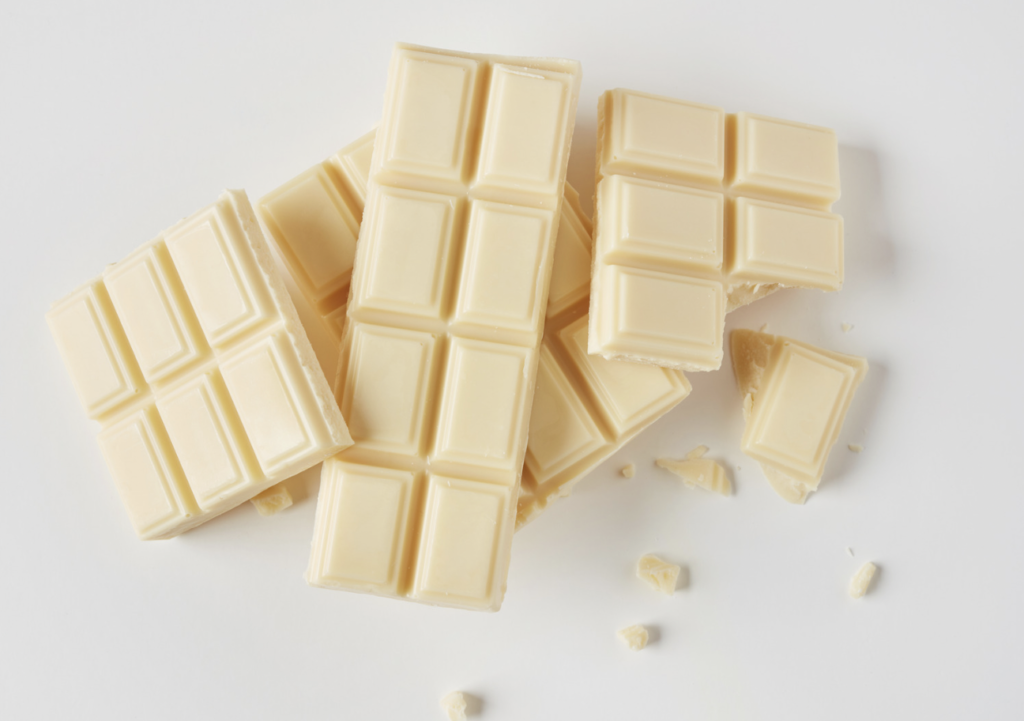
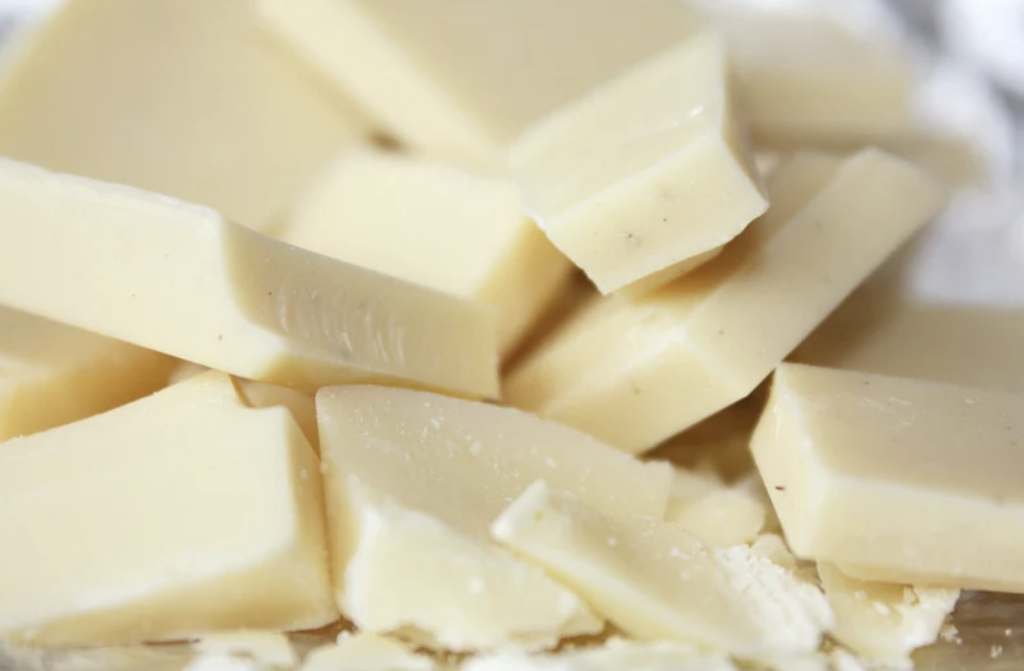
Ghirardelli’s melting guidance recommends gentle heat, dry tools and frequent stirring. In a microwave, use a microwave-safe bowl and short intervals at reduced power, stirring between them. Over a saucepan, keep the bowl above hot, not vigorously boiling, water and keep moisture out of the chocolate.
Melting and tempering are different. For a firmer, more stable finish with real chocolate, follow the chocolate maker’s tempering instructions. Confectionery coatings can be simpler for small decorative jobs: some, including the products in Ghirardelli’s coating guide, do not require tempering. Read the actual package rather than treating every chocolate chip or wafer as the same product.
Ghirardelli coating-wafer handling instructions
A melting pot is optional, not essential. It does not make overheating impossible. Whether you use a microwave, a bowl over water or an appliance, watch the mixture and use equipment intended for food.
Royal icing as edible glue
Royal icing dries firm and can work for small sugar decorations or appropriate gingerbread joins. Use a stiff consistency for attaching pieces, not thin flooding icing. A bottle labeled cookie icing is not necessarily royal icing and should not be assumed to provide the same bond.
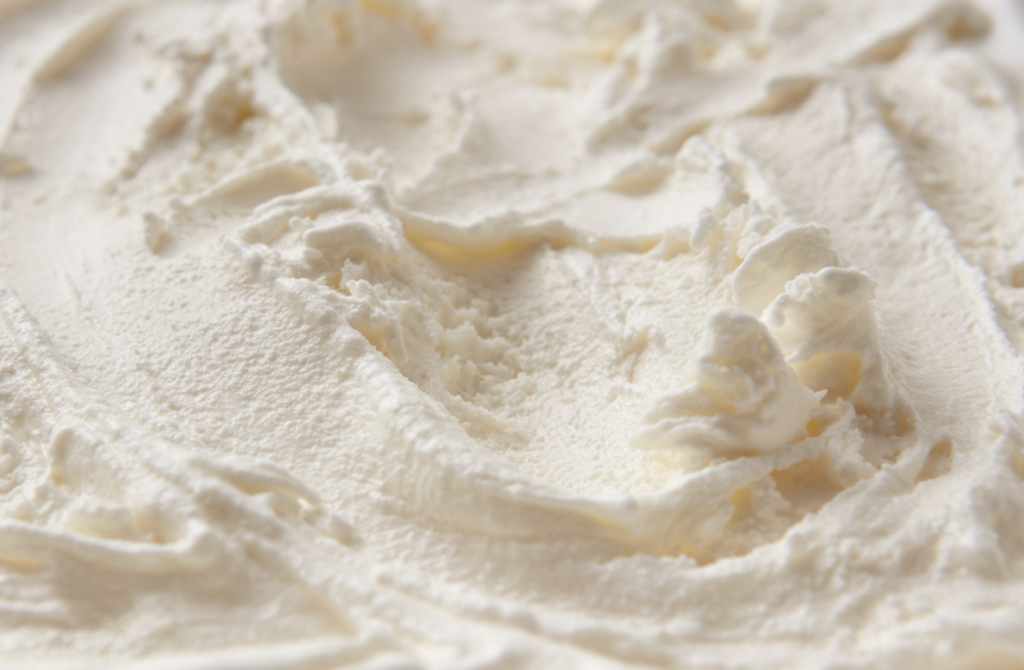
For a tested starting point, use Wilton’s meringue-powder royal icing recipe. Its base uses 4 cups powdered sugar, 5 tablespoons warm water and 3 tablespoons meringue powder; Wilton specifies one tablespoon less water for stiff icing. Follow its mixing directions and check the consistency rather than relying only on a timer.
Keep tools grease-free and unused icing covered. Follow the chosen recipe’s storage instructions: a shelf-life statement for one meringue-powder recipe does not apply to every icing or to the filled dessert underneath. Do not substitute raw egg whites casually.
Ready-made clear edible glue
Two examples with published manufacturer directions are Wilton Dab-N-Hold and Rainbow Dust Edible Glue. These are examples to compare, not a claim that one brand wins every job.
- Wilton describes Dab-N-Hold for Sugar Sheets and decorations on fondant or crusted buttercream. Apply small dots and allow them to dry.
- Rainbow Dust describes its glue as ready to use with a brush and clear drying. Its current ingredient list includes water, acetic acid and sodium carboxymethyl cellulose.
- For either product, check the current label, opening/storage instructions, allergens and suitability for the actual surface. Avoid spreading glue over a larger area than the decoration covers.
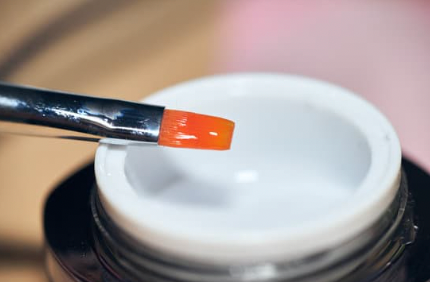
Can you make edible glue with tylose or CMC?
Yes—use a food-grade product intended for sugarcraft. Rainbow Dust’s CMC instructions give a product-specific starting ratio of 1 g powder to 30 ml water, with time overnight to combine. Use equipment accurate enough for a small weight; do not guess a gram with an ordinary spoon.
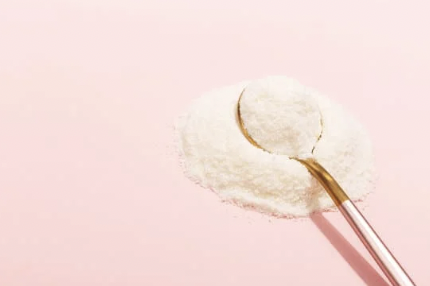
Follow the powder manufacturer’s mixing and storage instructions, and make a small amount in a clean covered container. Instructions for storing the dry powder are not automatically the shelf life of glue mixed with water. If the brand gives no guidance for keeping the mixed glue, ask it or choose a ready-made adhesive with clear instructions. Do not make a large jar and assume it lasts for weeks.
How to attach a small decoration to a macaron
- Work on a fully baked, cooled, dry shell. Plan the position before adding adhesive.
- Choose a lightweight edible decoration with a usable contact area. Test on a spare shell if possible.
- Put a tiny amount of the appropriate adhesive on the decoration or contact point, using a clean food-only brush or piping bag.
- Set it in place gently. Support it without crushing the shell while the adhesive sets.
- Check that it is secure before packing. Arrange packaging so it does not press on the decoration.
Do not saturate shells with water-based glue or use more glue to compensate for an oversized topper. For color and finishing ideas, see coloring macarons. For serving and handling, use the macaron storage guide.
Why I do not recommend hot sugar as the beginner option
Hot sugar can bond some confectionery structures, but it can cause serious burns and sets quickly. A vague instruction to boil sugar until golden is not enough to control a reliable assembly process. For delicate macaron decorations, start with chocolate, royal icing or an appropriate commercial adhesive. Keep hot-sugar work to a tested confectionery method and suitable equipment, away from children.
Troubleshooting: why did the decoration slide or fall off?
- Too much adhesive: a thick wet layer can let pieces slide. Test a smaller amount.
- Unsuitable surface: wet, oily or very soft surfaces may not suit the chosen glue. Check the label and use a compatible method.
- Insufficient setting time: do not move or box the piece as soon as it is attached.
- Too much weight: use a lighter decoration or a properly designed support, not extra glue.
- Warmth or condensation: test under the dessert’s actual storage and serving conditions.
Allergens, storage and serving
Read every label. Chocolate may contain milk or soy; meringue powder commonly contains egg; a commercial glue can have its own ingredient or cross-contact information. “Clear” or “edible” does not mean suitable for every allergy or diet.
Store the finished dessert according to its most perishable component. A dry glue joint does not make a cream-filled macaron safe to leave out for days. Keep brushes and leftover adhesive clean, and do not return used portions to the original container.
For most small decorations, the neatest result comes from a suitable adhesive, a light touch and enough setting time—not the strongest possible glue.
Belli xx