
Everything About Salted Caramel
Published February 26, 2022 · Updated August 30, 2026
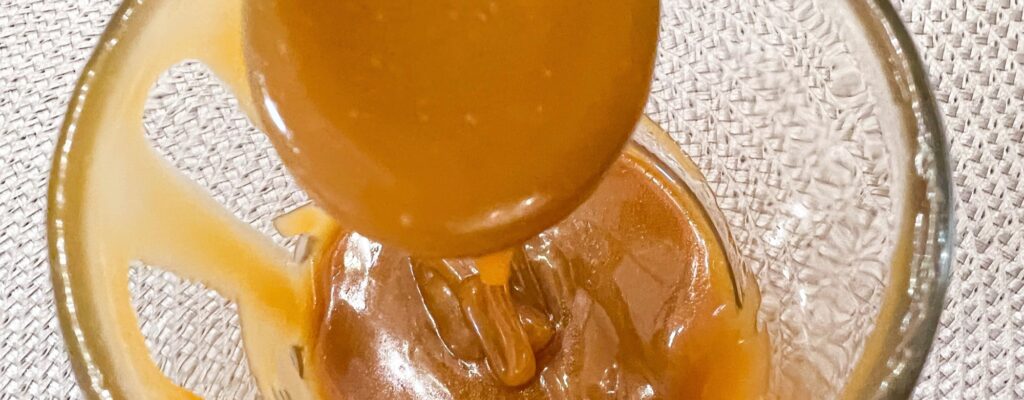
Salted caramel sauce combines caramelized sugar with salt and, in many recipes, butter and cream. It can be a pourable topping or a thicker filling, but those textures are not interchangeable. This guide explains what to check when a sauce is too runny, grainy or separated, and how to store it sensibly.
I love salted caramel with macarons, ice cream and other desserts. The most useful starting question is not “How thick can I make it?” but “What does this dessert need?” A sauce for drizzling and a filling that stays between two shells need different handling.
Caramel sauce, caramel candy and macaron filling
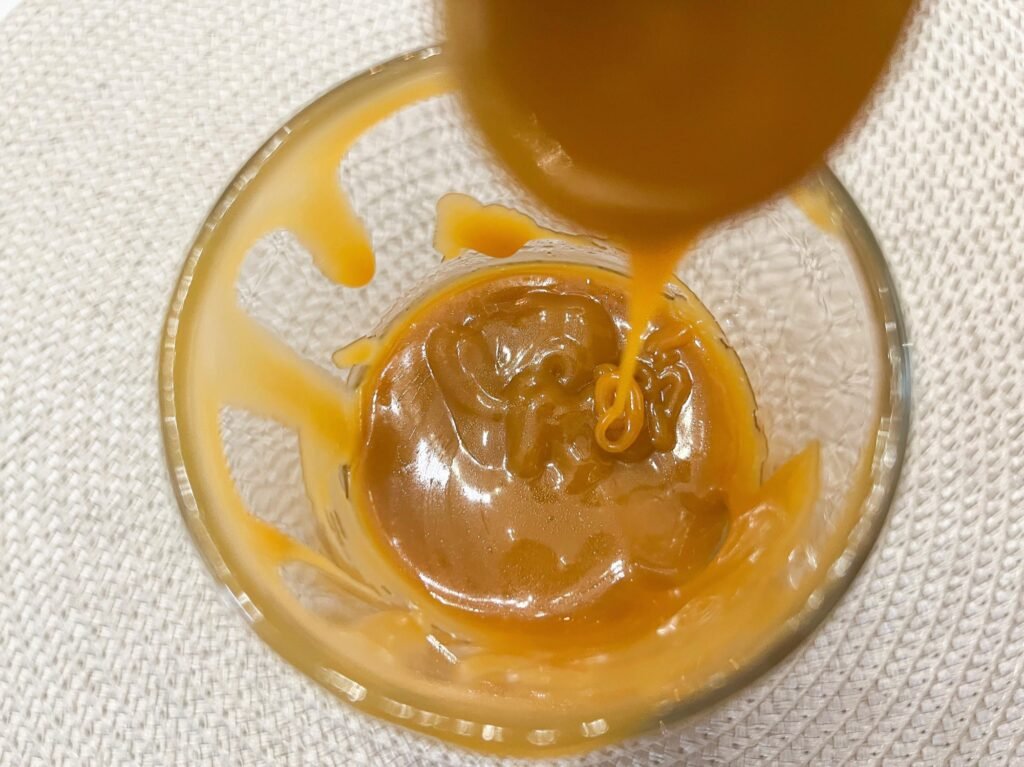
- Caramel sauce should flow at its intended serving temperature.
- Soft caramel candy is formulated to hold a cut shape; cooking a sauce longer does not reliably turn it into a balanced candy recipe.
- Macaron filling must stay in place without flooding the shell or becoming too firm to bite. Check it at serving temperature, not just straight from the fridge.
This page is a technique guide rather than a new recipe. Use a complete, tested formula for the result you want instead of changing several ingredient ratios at once.
Start with a method you can follow safely
Wet caramel starts with sugar and water; dry caramel starts without added water. Their stirring instructions differ. Use a roomy, heavy-based pan, keep watching the color and follow the chosen method. Warm liquids before adding them slowly: cold cream is not a reliable thickening trick and can cause splattering. Never taste hot caramel. King Arthur Baking’s caramel guide explains these methods and precautions.
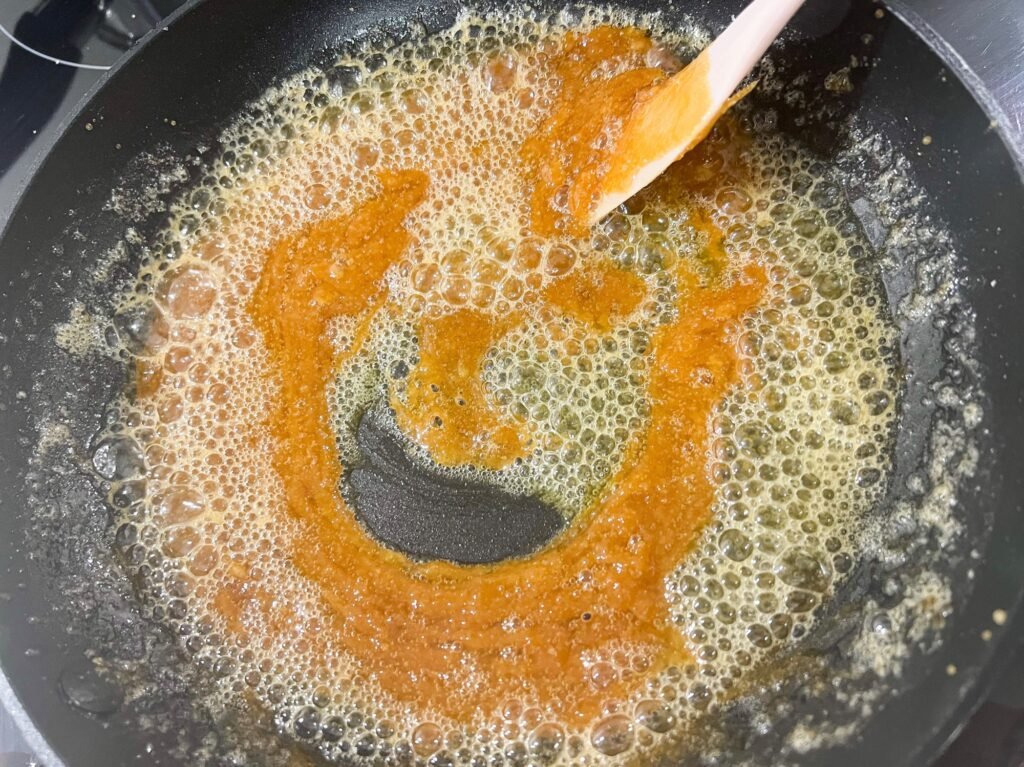
White granulated or caster sugar makes the color change easier to see than brown sugar. A light-colored pan also helps. Brown-sugar sauces use their own formulas; do not assume every sauce called “caramel” follows the same process. Good Food’s caramel-sauce recipe and technique notes provide a worked example.
Why is my salted caramel sauce too thin?
First, judge a cooled sample. Warm sauce flows more readily, so thickening it until it looks right while hot can leave it too stiff later. For a macaron, pipe a small sample at the temperature at which you plan to fill and serve it.
If the cooled sauce is still wrong for the job, check the original ingredient weights and cooking endpoint. Do not automatically add one-third more sugar or boil for another fixed 5–10 minutes. Those changes alter the recipe rather than diagnosing it. For your next batch, choose a filling formula rather than a drizzle formula.
Why is my caramel too thick?
A refrigerated sauce may simply need gentle warming to become pourable. Warm only the portion you need, in short bursts with stirring, using a microwave-safe container. If the recipe allows a liquid adjustment, add a little warm cream at a time and check a cooled sample before adding more.
Do not use lemon juice as an all-purpose thinning ingredient: it changes flavor and acidity. Extra sugar, extra cream and further cooking each change the finished balance. Write down any adjustment so you can decide whether it helped.
Grainy, seized, separated or burnt: identify the problem
Grainy caramel
A sandy texture usually points to sugar crystals. Crystals on the pan can seed more crystallization; some recipes include glucose syrup or an acid to help control it. Use those ingredients in the recipe’s specified amounts, not as random fixes. The Exploratorium’s explanation of sugar crystals describes the science.
Hard lumps after adding liquid
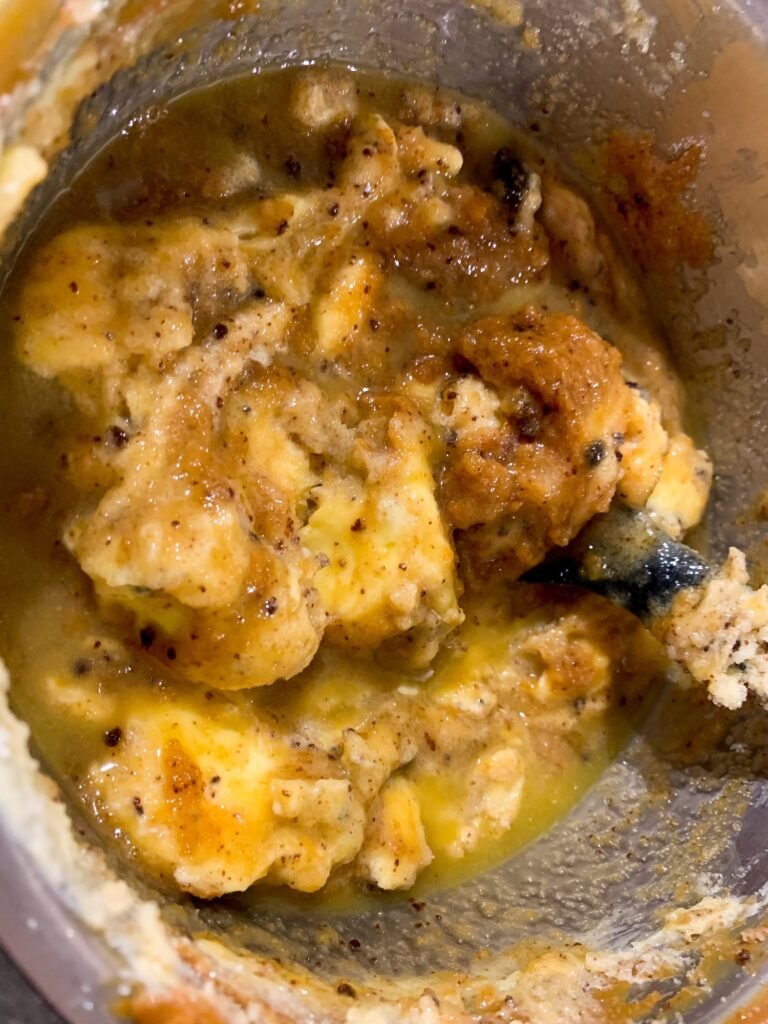
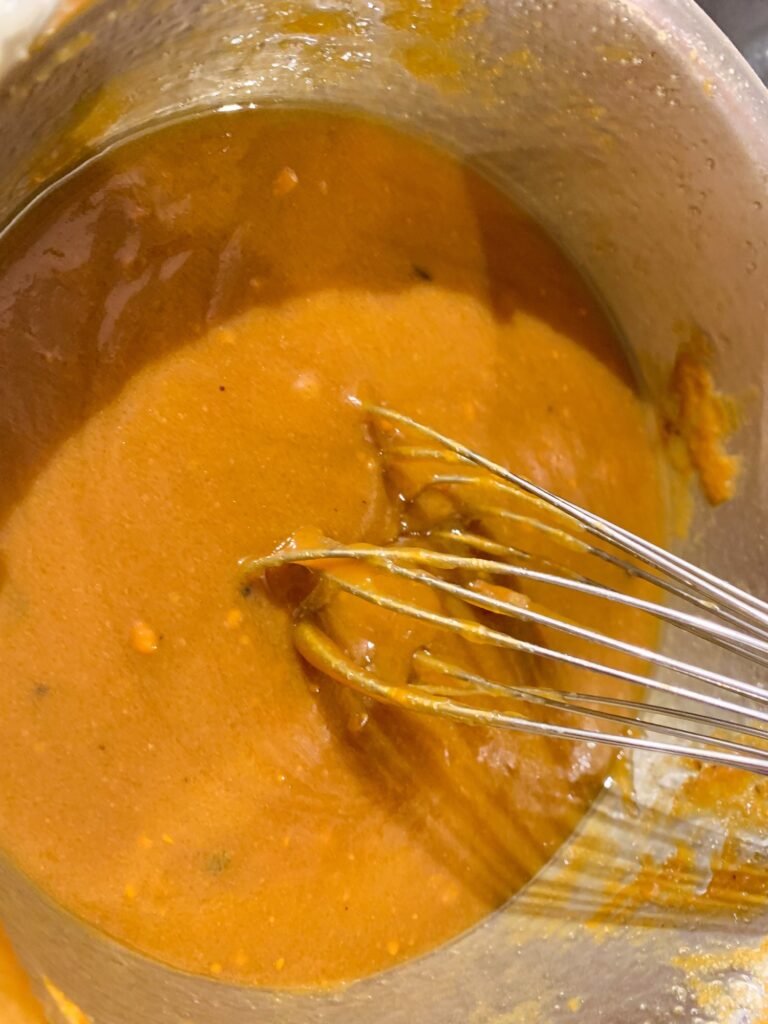
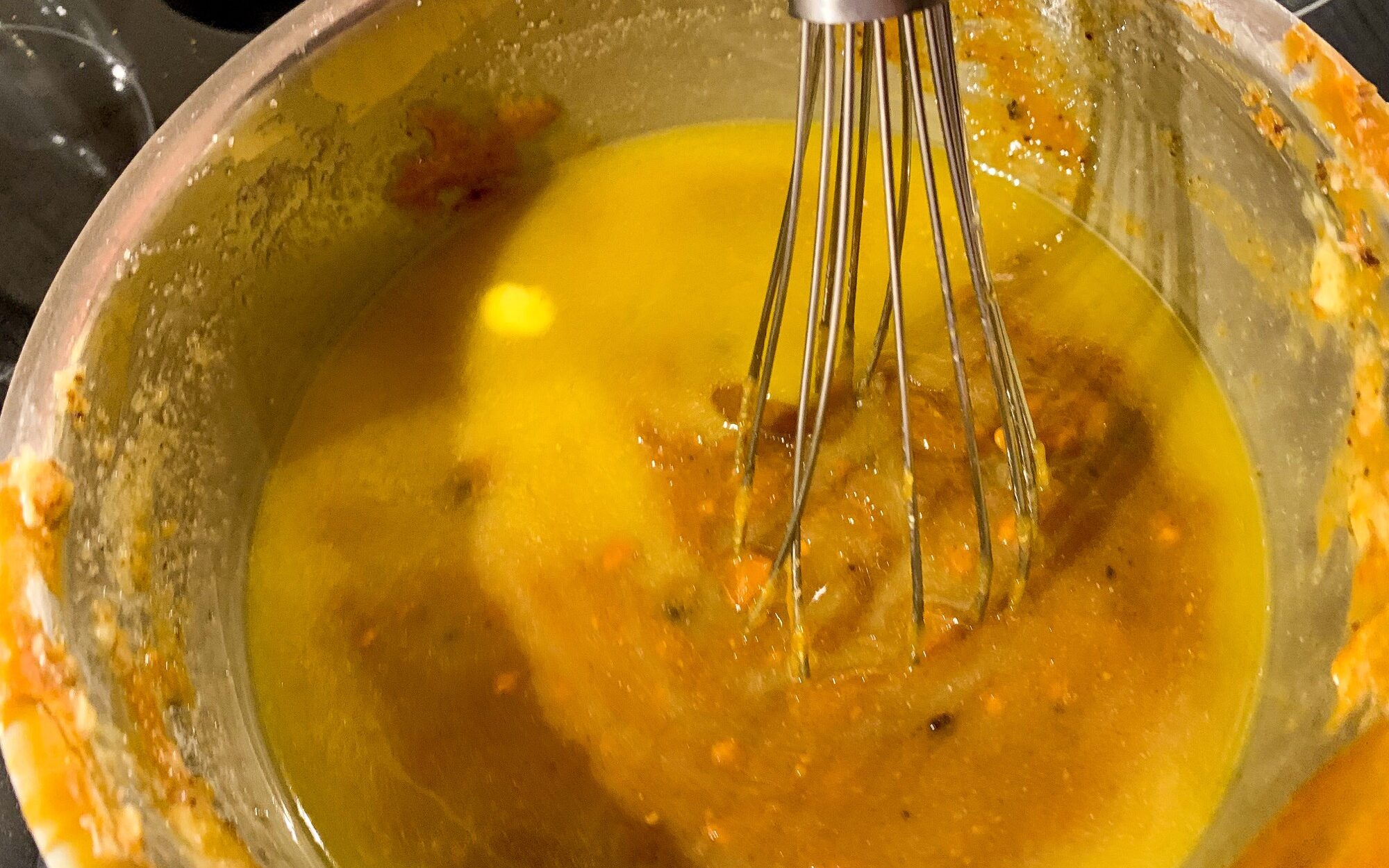
Sugar that hardens when cream is added is not necessarily burnt. Some lumps may dissolve with gentle reheating and stirring, but stop if the sauce begins to scorch. Do not scrape burnt residue into it. The pan photographs below show how different a lumpy mixture and a smoother mixture can look.
An oily layer or separated butter
This differs from graininess: the fat is no longer evenly combined with the liquid. Try gentle warming and steady stirring rather than aggressive boiling. There is no guaranteed rescue for every formula. If it will not come together, do not use it as a macaron filling simply because it thickens when cold.
Bitter, scorched caramel
Burnt flavor cannot be reliably hidden with extra cream or salt. Start again. Adding dairy lowers the temperature, but does not make further cooking harmless; a sauce can still scorch or become overly concentrated. A thermometer is useful when the recipe specifies an endpoint, but it does not replace watching the pan.
Using salted caramel in macarons
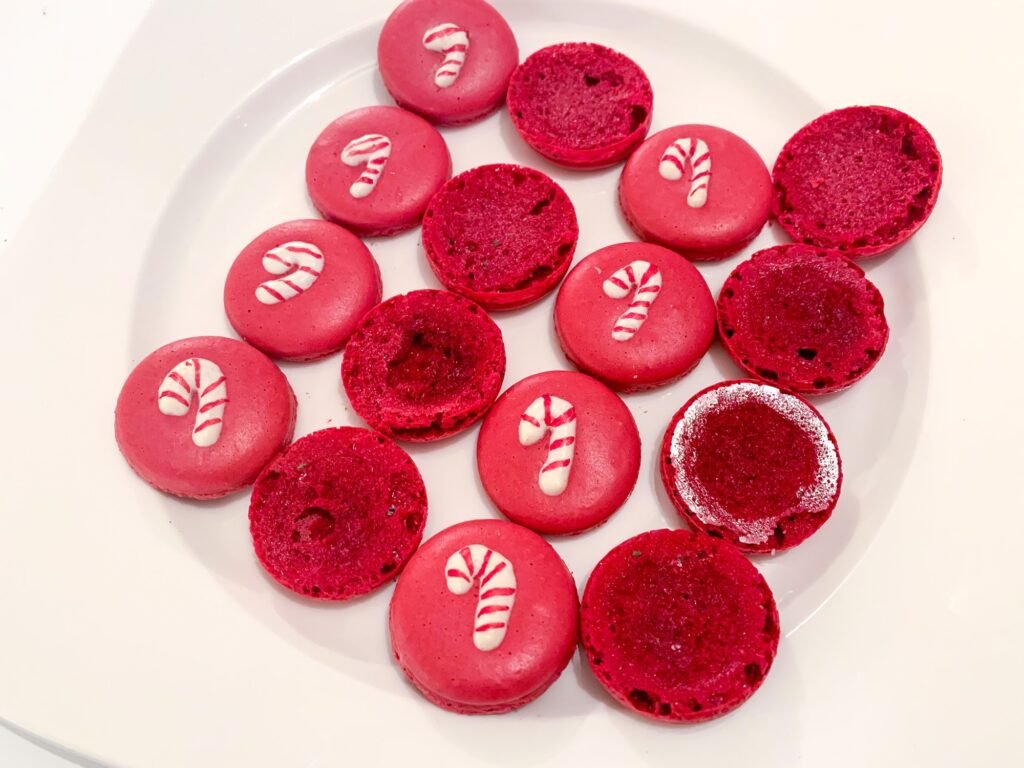
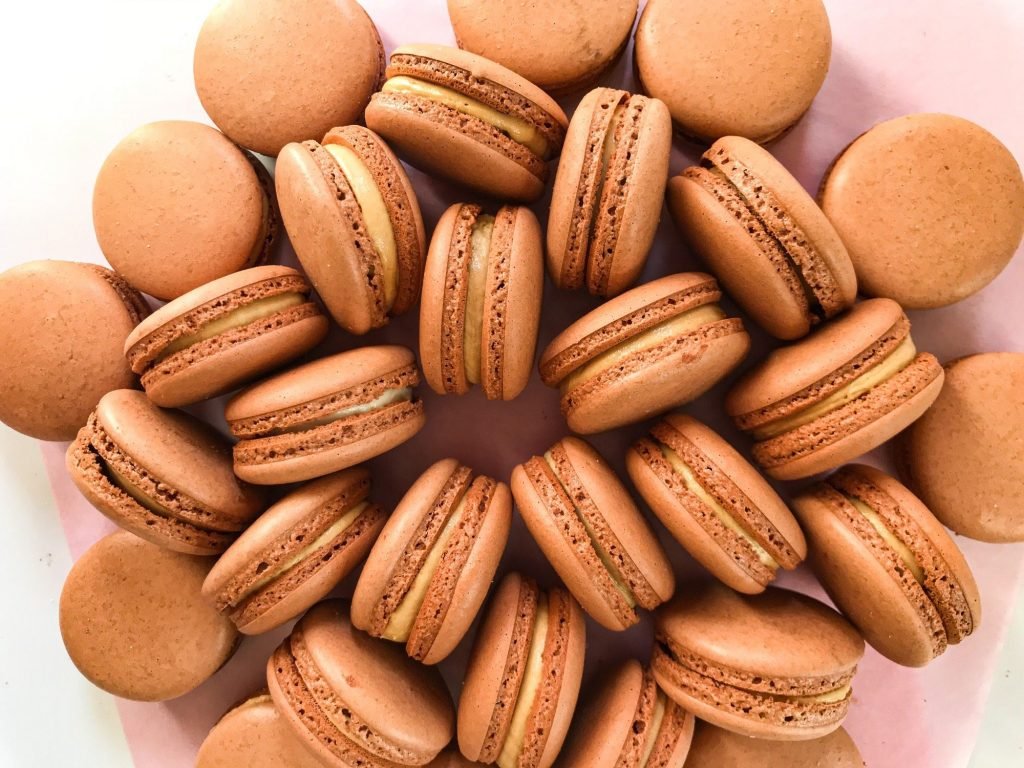
Cool the filling before it touches a shell. It should pipe neatly, stay inside the edge and remain pleasant to bite. Fill one test pair and check it after the usual maturation period before filling the entire batch. Avoid pouring a loose dessert sauce directly between shells.
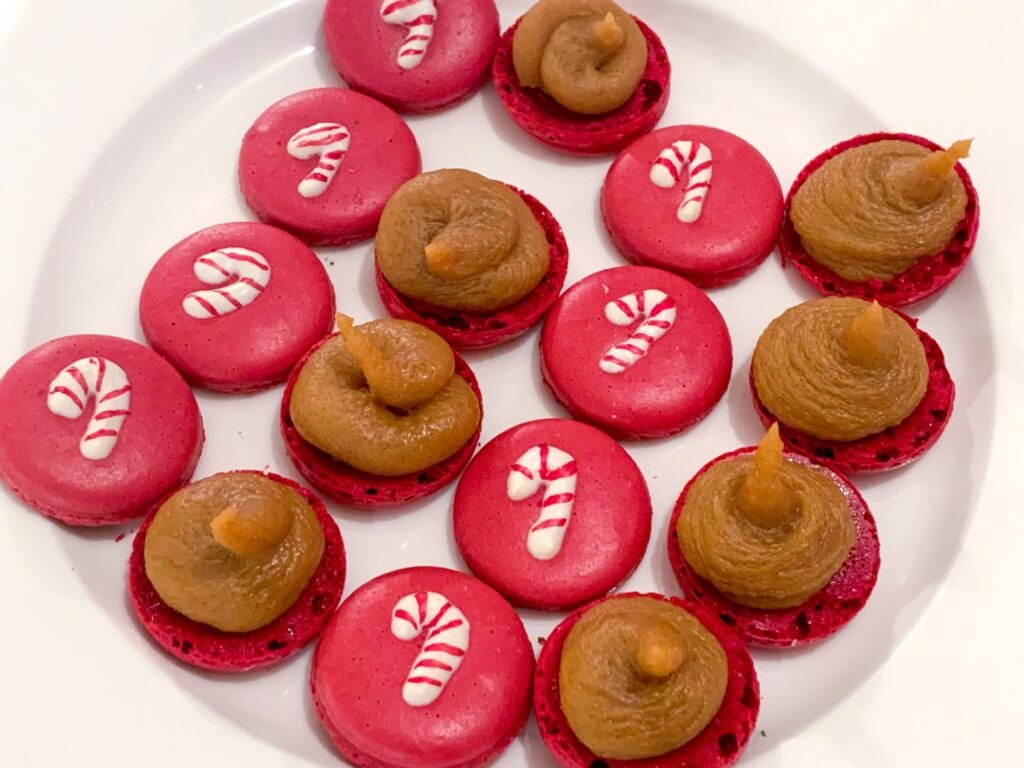
If you want a softer caramel center, a ring of a compatible, firmer filling can help contain it. The ring does not change the caramel’s safety or storage needs. Follow the shortest storage limit of the fillings used, and consult the macaron storage guide.
Other ways to serve salted caramel
- Drizzle a little over ice cream, pancakes or apple pie.
- Serve a pourable sauce alongside churros or sliced fruit.
- Add a small amount to a cupcake center before frosting.
- Use a cooled sauce as a dessert accent rather than saturating a crisp component.
Cooling, refrigeration and freezing
Do not assume homemade dairy caramel is safe on the counter for days. Cool in small heat-safe containers and refrigerate promptly. Keep at 4°C (39.2°F) or colder; follow the tested recipe’s storage period rather than a blanket two-week promise. Freeze suitable portions at −18°C (−0.4°F) or colder and thaw in the fridge. FDA storage guidance distinguishes safe storage from quality loss.
Label the container with the recipe and preparation date. A sealed jar is packaging, not a canning process; do not gift homemade sauce as shelf-stable. Include refrigeration instructions. Freezing does not rescue sauce that has already been mishandled.
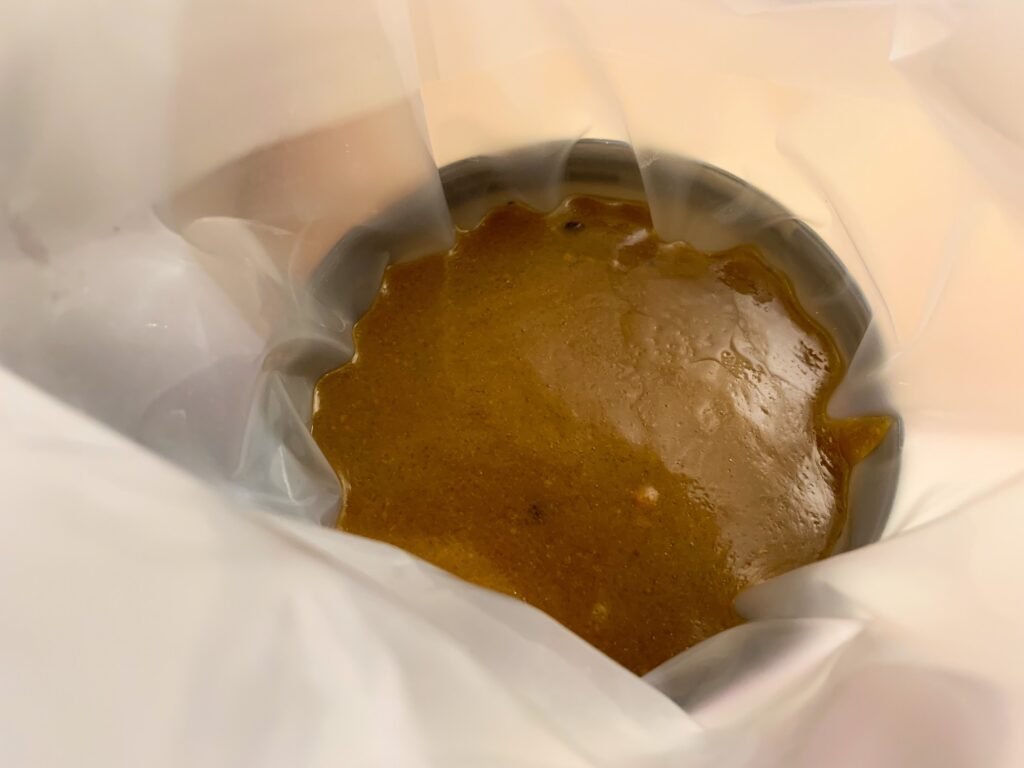
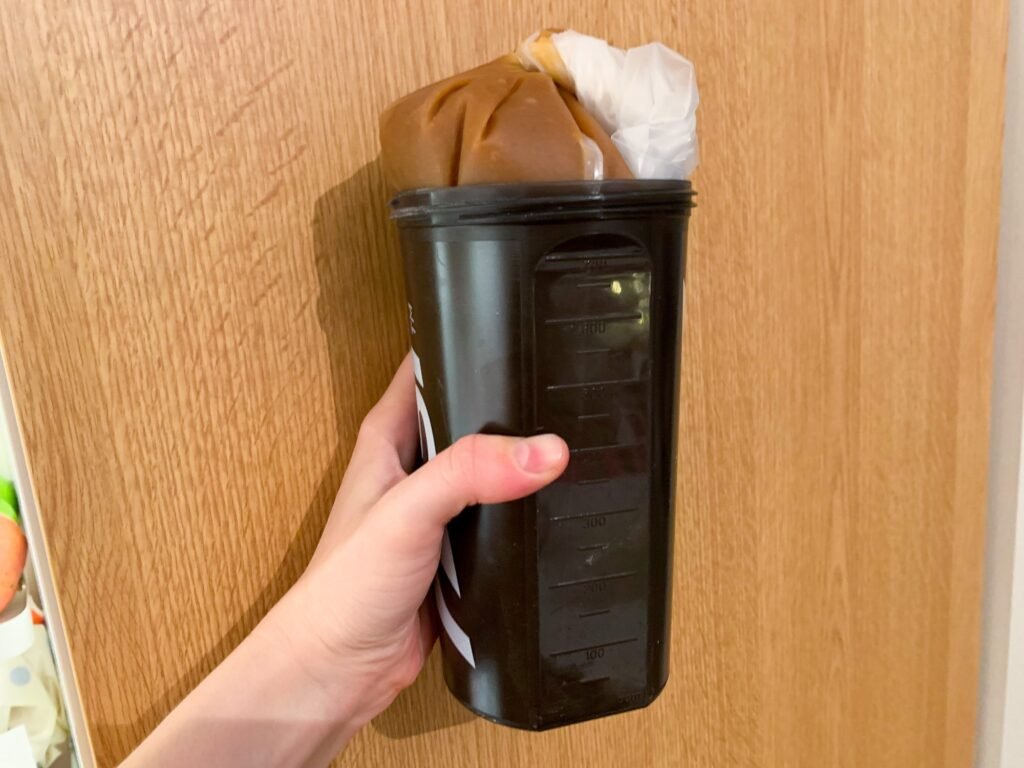
The piping bag in these photos is useful for filling macarons, but it is not a reason to skip refrigeration. Store a securely closed bag inside a covered container to protect it from leaks and odors.
Quick answers
Does cold cream make caramel permanently thicker?
No. Cooling can firm a sauce temporarily, but its eventual consistency depends on the formula and cooking. Adding cold cream to very hot sugar also increases the risk of splattering.
Can I make caramel without a thermometer?
Some sauce recipes use color and timing cues; others need a temperature endpoint. Choose a recipe written for the equipment you have rather than omitting a required check.
Is salted caramel new?
No. It is not a recent invention. Its popularity is no reason to change the ingredient balance of a recipe that already works.
Enjoy your baking!
Belli xx