

Why are Macarons so Expensive
Published March 18, 2022 · Updated August 31, 2026
Macarons can cost more than simpler cookies because every finished sandwich combines two delicate shells, a filling and several preparation steps. In small-batch baking, skilled work, ingredient costs, packaging and the number of saleable macarons all affect the price. Branding and the type of order matter too; a higher price does not automatically prove higher quality.
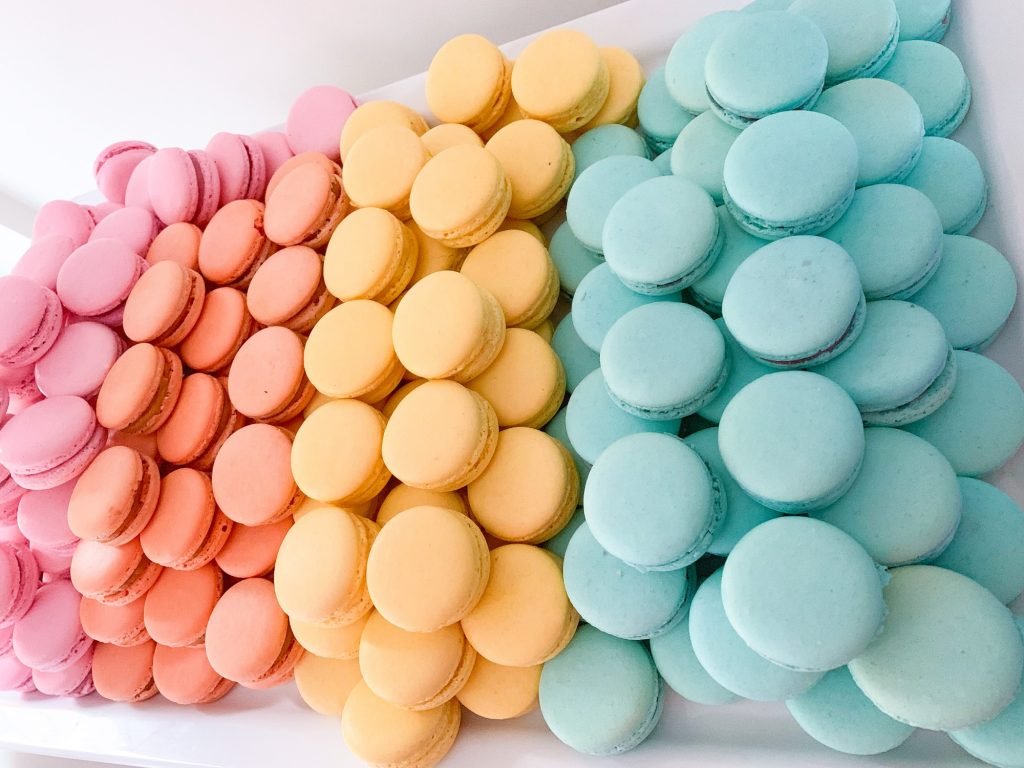
What contributes to the price of a macaron?
- Shell and filling ingredients, including losses during preparation.
- Hands-on work: weighing, mixing, piping, matching, filling and packing.
- Production capacity, refrigeration and equipment costs.
- Custom shapes, hand-painted details, multiple colors or special packaging.
- The bakery’s overhead, sales channel and margin.
There is no universal fair price per macaron. Size, location, order quantity and delivery can make two apparently similar boxes difficult to compare. The goal is to understand what is included rather than assume every expensive box is justified.
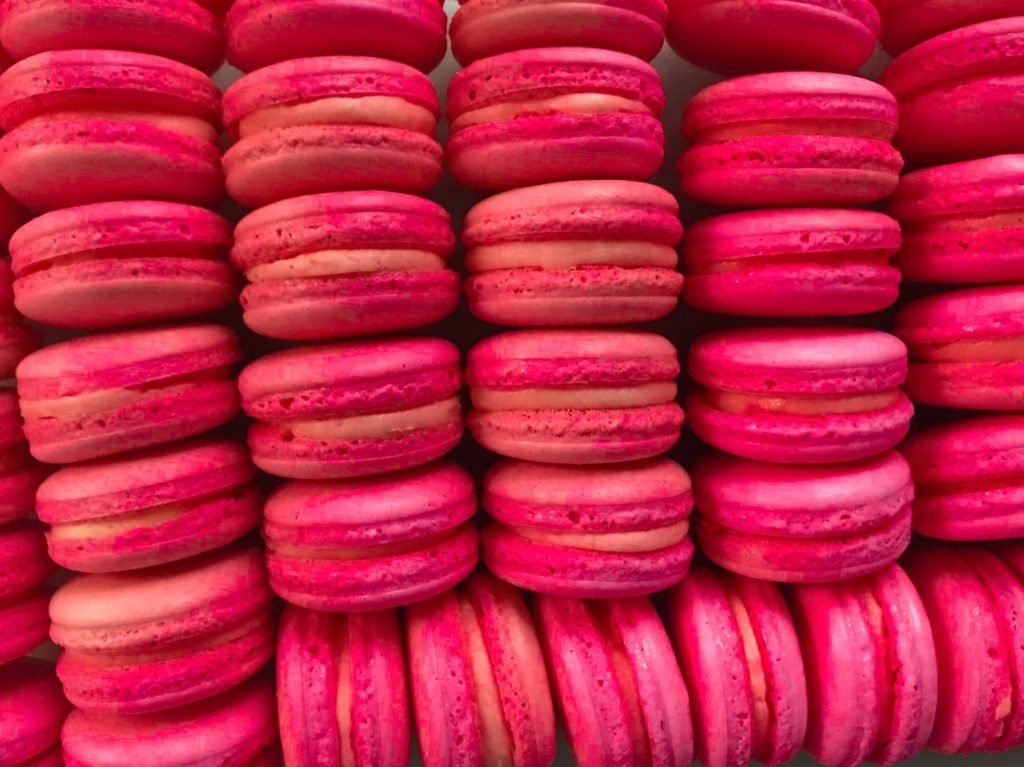
Ingredients are only part of the cost
Typical shells use almond flour, confectioners’ sugar, granulated sugar and egg whites. Fillings may add chocolate, butter, cream, fruit or other ingredients. Almond flour can be a significant expense, but it is not always the most expensive part once filling, labor and packaging are included.
Almond flour is a processed nut ingredient: almonds are prepared and milled to a suitable texture. Prices differ by brand, pack size, supplier and region. Claims that it is expensive simply because almonds have “low yields” or because of one worldwide demand trend do not explain every purchase.
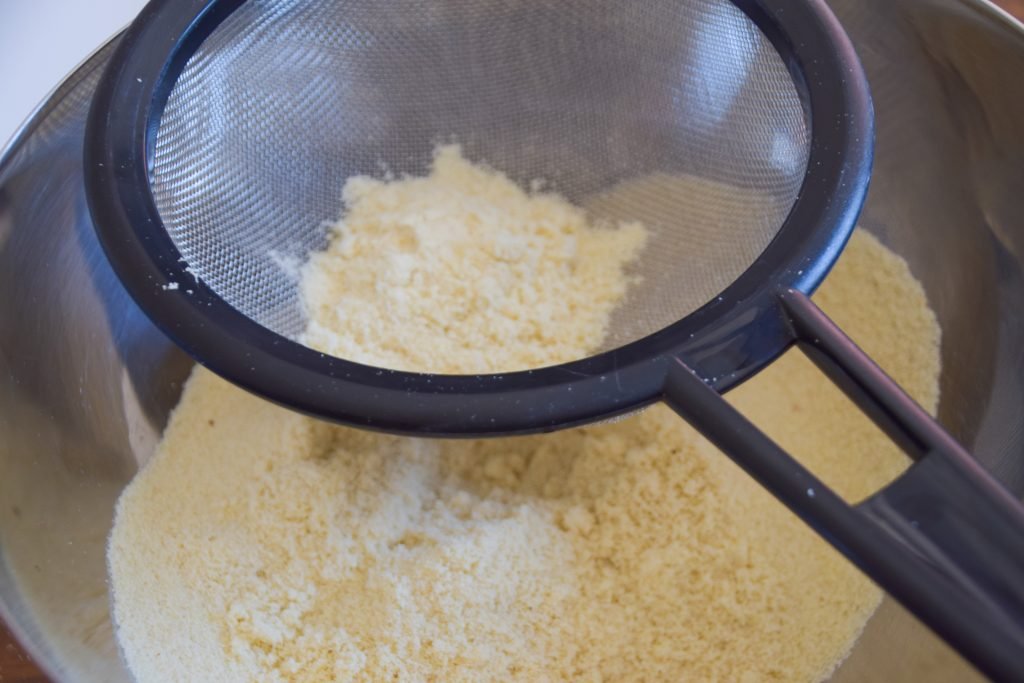
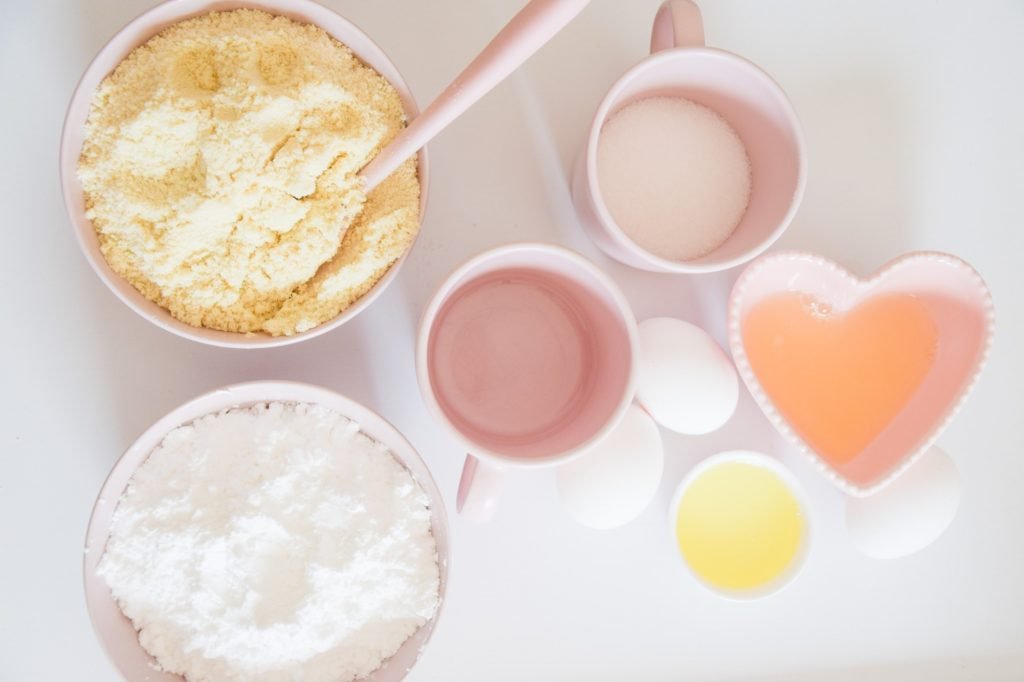
Compare ingredient costs by weight and by the quantity your recipe actually uses. Buying a larger bag is only a saving if you use it in good condition. Avoid substituting wheat flour or an untested homemade almond mixture just to lower the ingredient bill.
Small-batch production involves many separate tasks
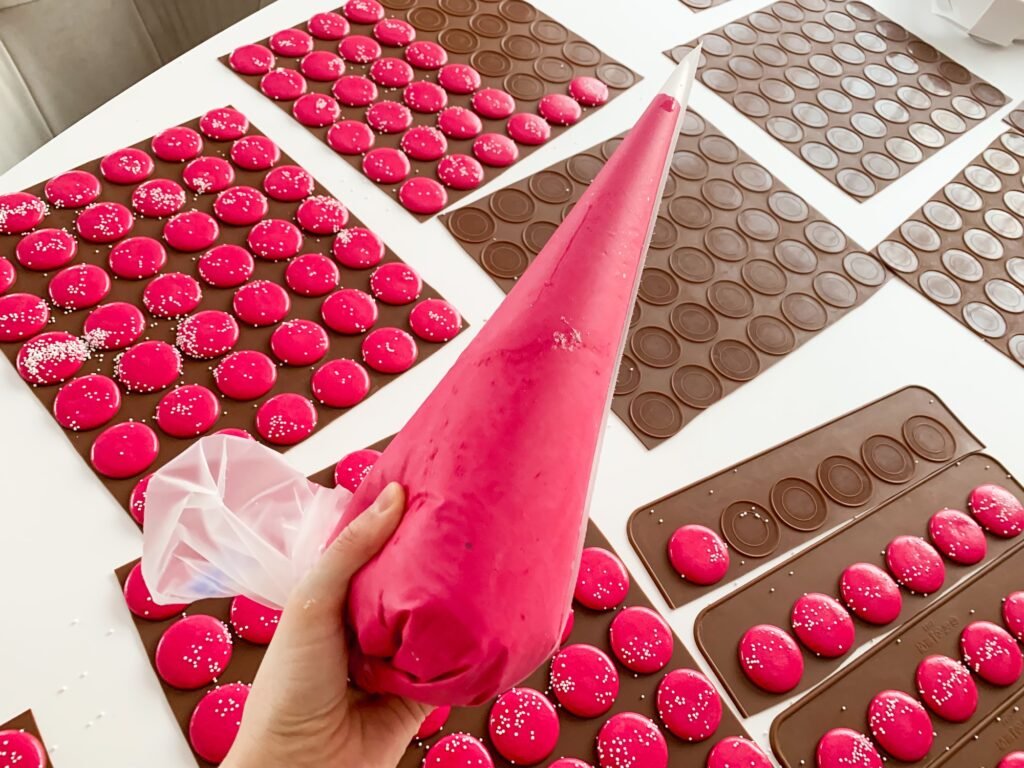
Even a plain macaron needs shells that can be paired, filling that is ready to pipe and handling that does not crush the tops. A baker also cleans equipment, prepares boxes and manages orders. These tasks take time even when the ingredient list is short.
Some production can be mechanized. It is inaccurate to say macarons must always be folded by hand or that large-scale production is impossible. A home kitchen and a bakery with dedicated equipment simply have different capacities and cost structures.
Custom shapes and decoration add work
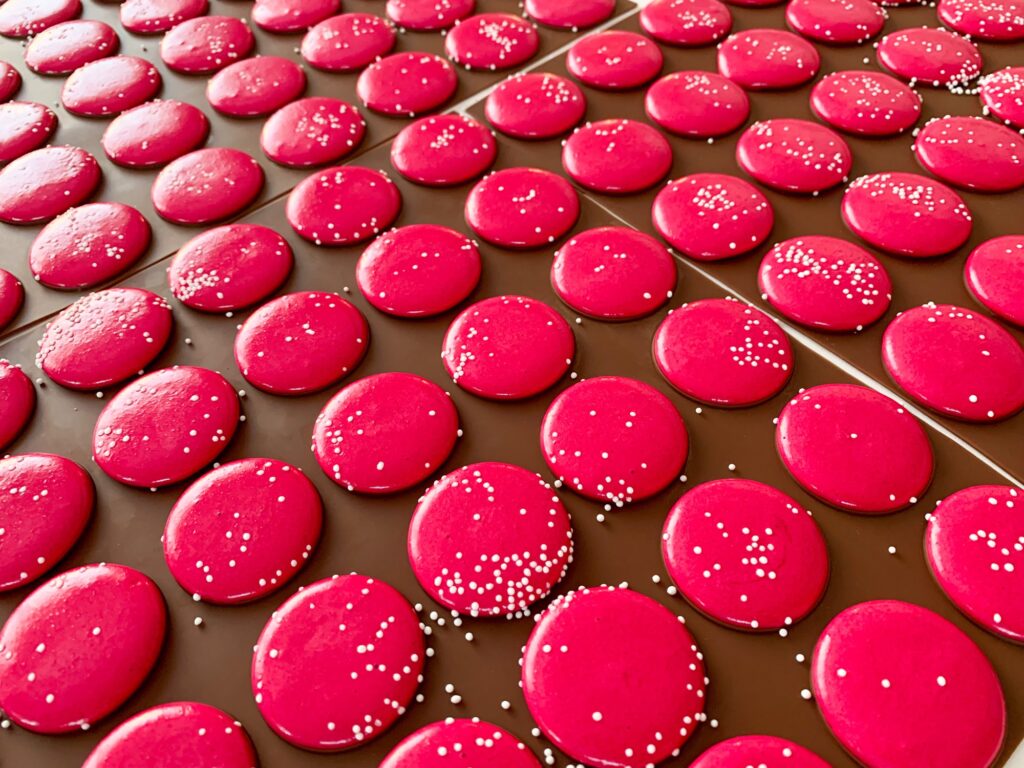
Bear faces, painted flowers or several colors often require extra piping, drying or decoration steps. That additional work may explain a custom quote better than the cost of the sugar or food coloring itself. Ask whether you are paying for a standard flavor box or a design made specifically for your event.


For a lower-cost order, ask about standard round shells, the bakery’s regular colors and a smaller flavor selection. A detailed design is an optional service, not a requirement for a delicious macaron.
Saleable yield matters more than the number of shells
Two shells make one sandwich. If a batch produces 100 shells, that is at most 50 macarons before matching sizes or setting aside broken pieces. A few unsuitable shells lower the number of finished products available to cover the batch’s costs.
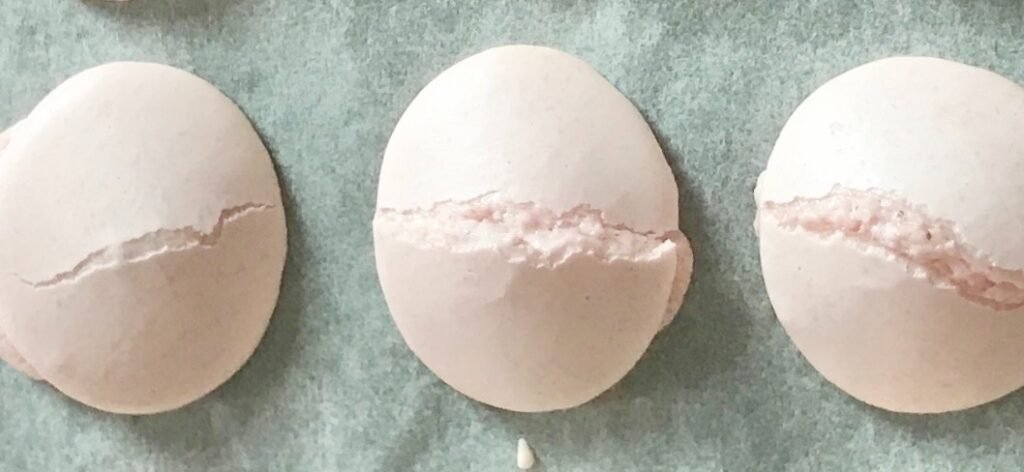
Cracked or misshapen shells are not automatically waste. Fully baked, safely stored shells may be used in other desserts, although they may not suit a customer’s requested presentation. See ideas for using imperfect macarons and the macaron troubleshooting guide.
A simple cost-per-macaron example
Here is an illustrative calculation, not a market price or a quote for this blog’s macarons. Suppose a batch costs 18 in ingredients, 6 in packaging, 36 in labor and 12 in allocated overhead. The total is 72 in the same currency units.
- If the batch yields 48 saleable macarons: 72 ÷ 48 = 1.50 cost per macaron.
- If it yields only 40 saleable macarons: 72 ÷ 40 = 1.80 cost per macaron.
That is cost, not a recommended selling price. Delivery, selling fees, taxes where applicable and the business’s profit target may still need consideration. Avoid counting the same expense twice. For broader planning, the U.S. Small Business Administration’s planning resources cover startup costs and business planning.
Equipment does not have to be luxurious
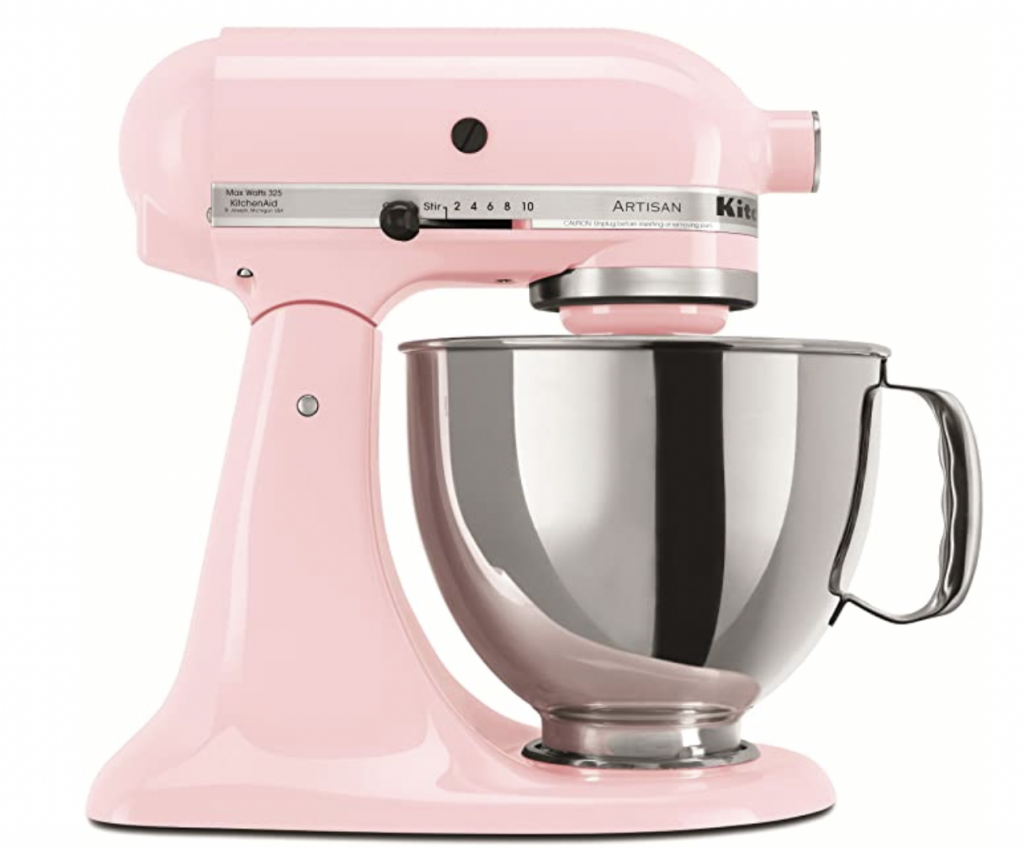
A scale, suitable mixer, piping bags, baking trays and reliable oven setup are useful. A premium stand mixer is not a guarantee of better macarons, and silicone mats are not compulsory. Many home bakers can start with equipment they already own.
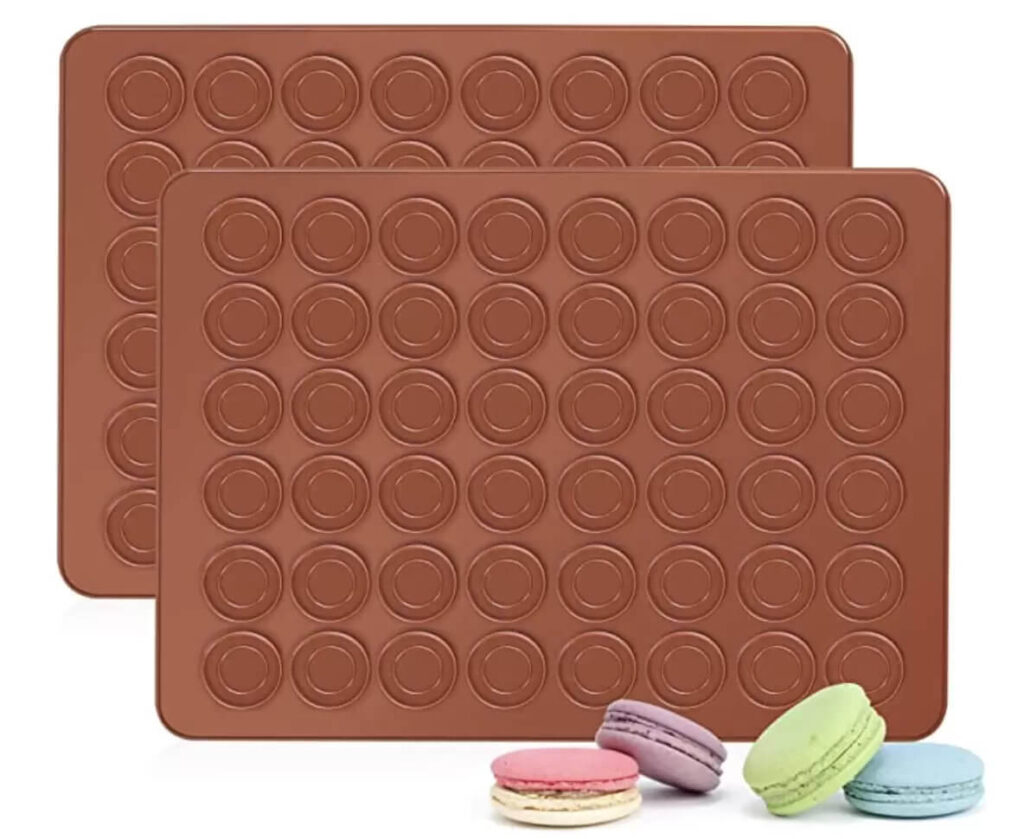
For a business, equipment costs are normally spread over its useful work rather than charged entirely to one batch. Extra ovens or staff can increase capacity, but they also create costs. Decide what solves a real bottleneck before buying more equipment.
How to compare two boxes fairly
- Compare the number of finished macarons and their approximate size, not just box dimensions.
- Check whether flavors are standard or custom and whether decorations are included.
- Ask about pickup, shipping, temperature-controlled transport and damage policies.
- Check ingredient and allergen information, freshness and storage instructions.
- Distinguish the cost of the macarons from gift packaging or event setup.
Is making macarons at home cheaper?
It can reduce the cash cost per piece if you already own equipment and enjoy the work, especially for repeat batches. A first attempt can cost more than expected once supplies, testing and failures are included. Your time still has value, even when baking is a hobby.
For practical savings, standardize one recipe, plan colors before mixing, use ingredients efficiently and avoid unnecessary purchases. My guide to saving money making macarons explains ways to reduce waste.
Does a high price guarantee a better macaron?
No. Look for a pleasant flavor balance, an appropriate shell texture, careful handling and a clear answer to storage and ingredient questions. Luxury packaging, a famous name or a custom design may add value for a particular occasion, but they are different from eating quality.
Macarons are small, but the work behind a consistent box is not. Understanding the cost breakdown helps you choose an order that fits your budget without assuming that every high price is either a bargain or a rip-off.
Belli xx