
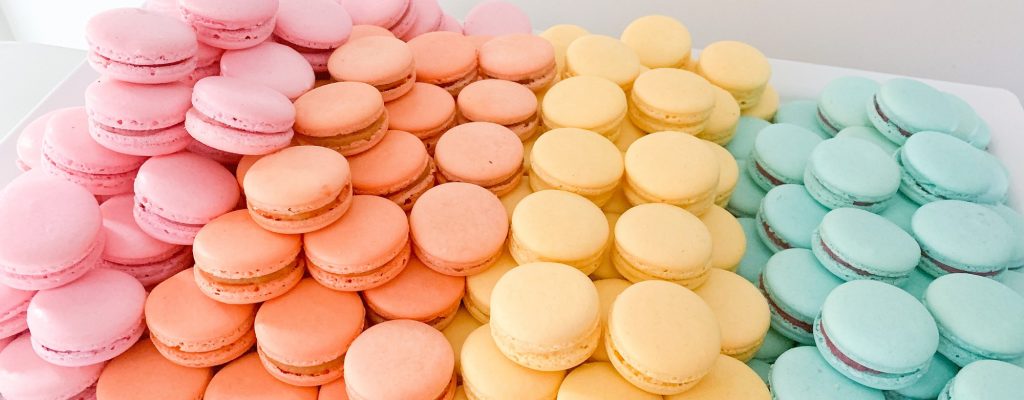
How to Color Macarons: Pastel, Bright, White, Black, and Red Shells
Published · Updated
Learning how to color macarons is mostly about using a concentrated product, adding it early enough, and stopping macaronage when the batter is ready. Gel and macaron-compatible powder can both work; ordinary watery liquid color gives you less margin for error.
This guide explains when to add color and how to make pastel, vibrant, white, black, red, and purple shells without using an arbitrary tablespoon of coloring or folding past the correct endpoint.
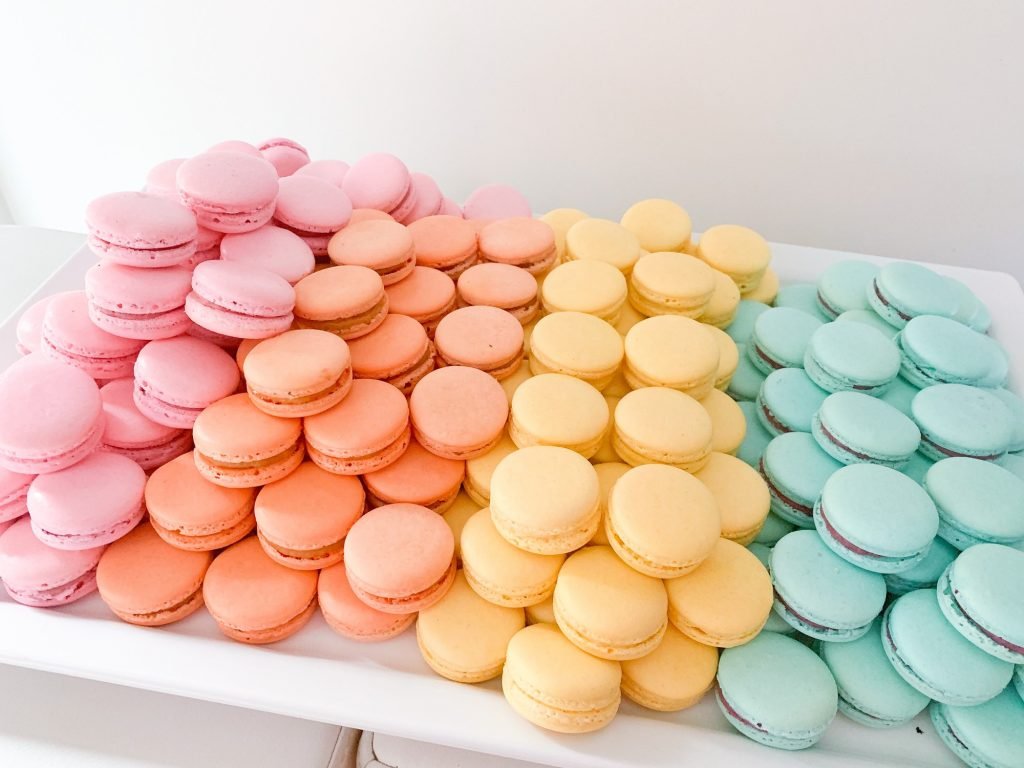
How to Color Macarons at a Glance
| Goal | Best starting approach | Main risk |
|---|---|---|
| Pastel shells | A toothpick smear or tiny drop of concentrated gel | Adding more than the shade needs |
| Bright shells | Concentrated gel or powder tested in the recipe | Extra moisture, aftertaste, or overmixing |
| White shells | Pale ingredients, controlled heat, optional trace of violet | Underbaking while trying to prevent browning |
| Black shells | Dark recipe base plus concentrated black color | Too much color and bitter flavor |
| Red shells | A strong red shade added before final macaronage | Formula changes and fading during baking |
Gel vs. Powder vs. Liquid Food Coloring
Concentrated Gel Color
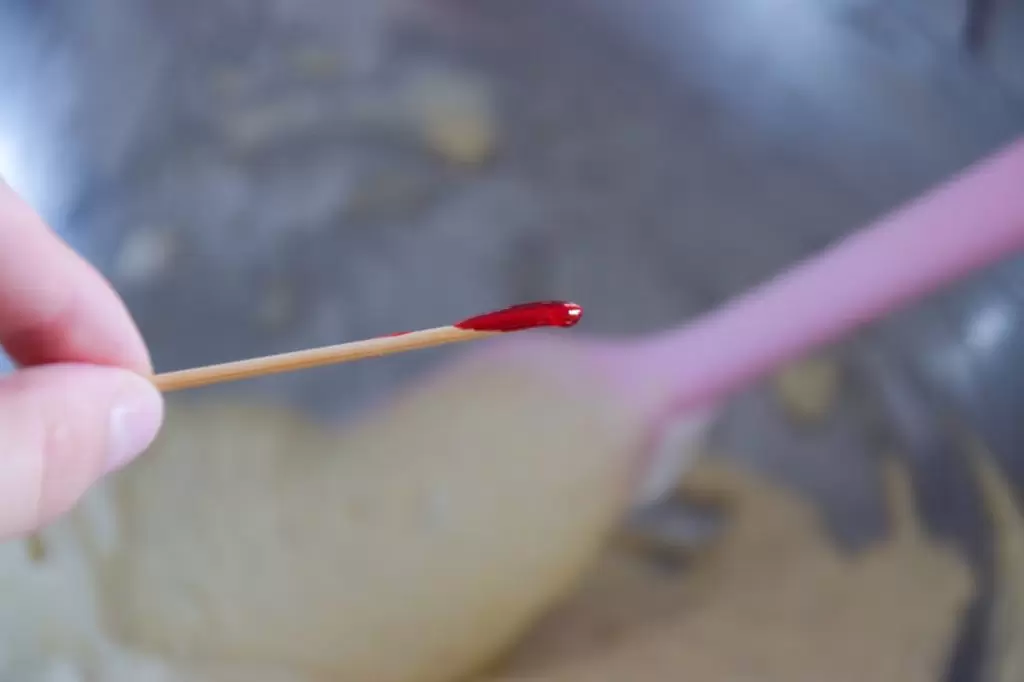
Gel is easy to measure in tiny amounts and disperses well. Start with a clean toothpick smear or one small drop for a home batch, then adjust while the meringue or batter still needs mixing. Different brands have different pigment strength, so there is no universal teaspoon measurement.
Powdered Food Color
Concentrated edible powder adds very little moisture and can be useful for deep shades. Choose a product whose label says it is edible and intended to color batter. Decorative dust, petal dust, and luster dust are not automatically interchangeable with powdered food coloring.
Ordinary Liquid Color
A tiny amount does not automatically ruin macarons, but liquid color is dilute. Reaching a vivid shade may require enough water to loosen the batter. Gel or powder is more predictable for repeatable shells.
For product types, labels, and current buying guidance, use Best Food Coloring for Macarons.
When to Add Food Coloring
French Method
Add concentrated gel or powder while the meringue is developing, before it reaches its final stiff peak. This allows the mixer to distribute the color and reduces the temptation to keep folding during macaronage. Follow your recipe when it specifies a different stage.
Italian Method
Add color to the almond paste or to the finished or nearly finished Italian meringue, depending on the recipe. Valrhona’s professional macaron method adds color after the meringue has almost cooled. Coloring the syrup can make the final shade harder to judge and can create splatter, so do not treat syrup coloring as the default.
Never add a tablespoon simply because you want a strong color. Use the smallest amount that produces the shade and texture you have tested.
Swiss Method
Add color after the sugar has dissolved and the meringue begins whipping, before the final texture is reached. Stop and check the shade before the meringue becomes too stiff.
How to Make Pastel Macaron Shells
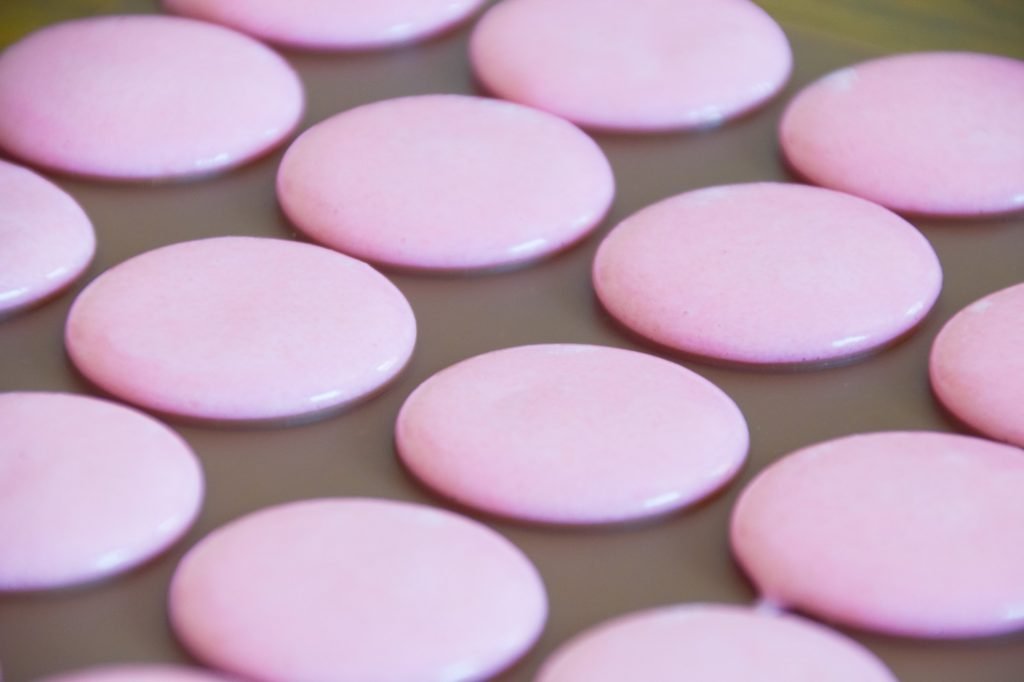
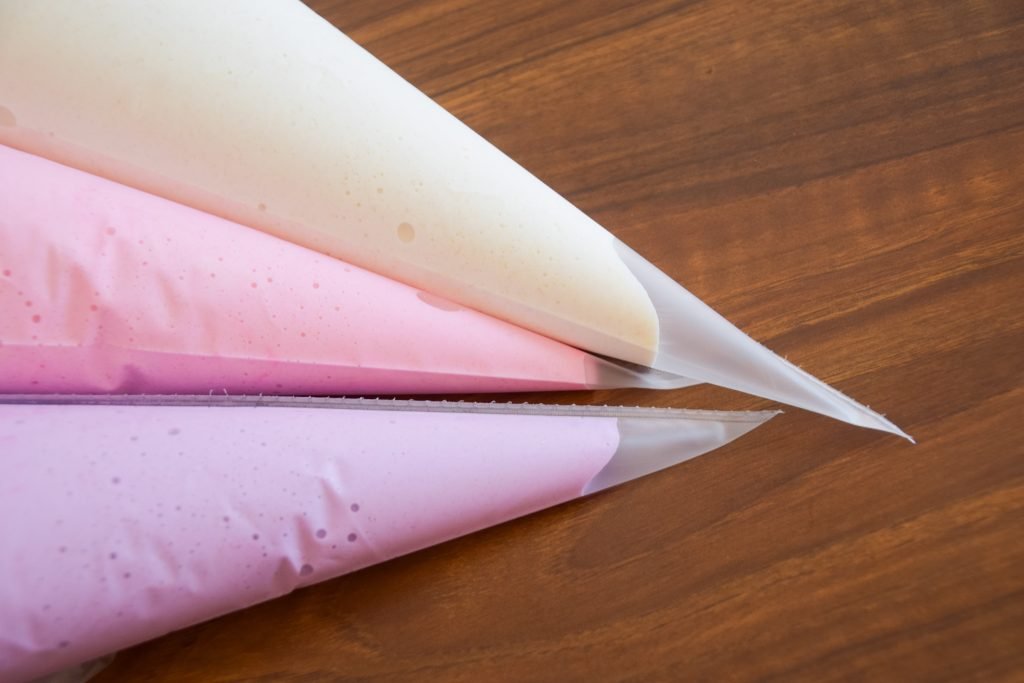
Pastels need very little color. Begin with a toothpick smear, mix it fully, and remember that the baked shade may be lighter than the raw batter. Make one test tray before baking macarons for a wedding, baby shower, or other color-specific event.
- Use one concentrated color rather than combining several weak liquid colors.
- Add color before the batter reaches its final consistency.
- Record the brand, shade, and amount after a successful batch.
- Stop macaronage when the flow is correct even if the color is not perfect.
How to Make Vibrant Macaron Shells
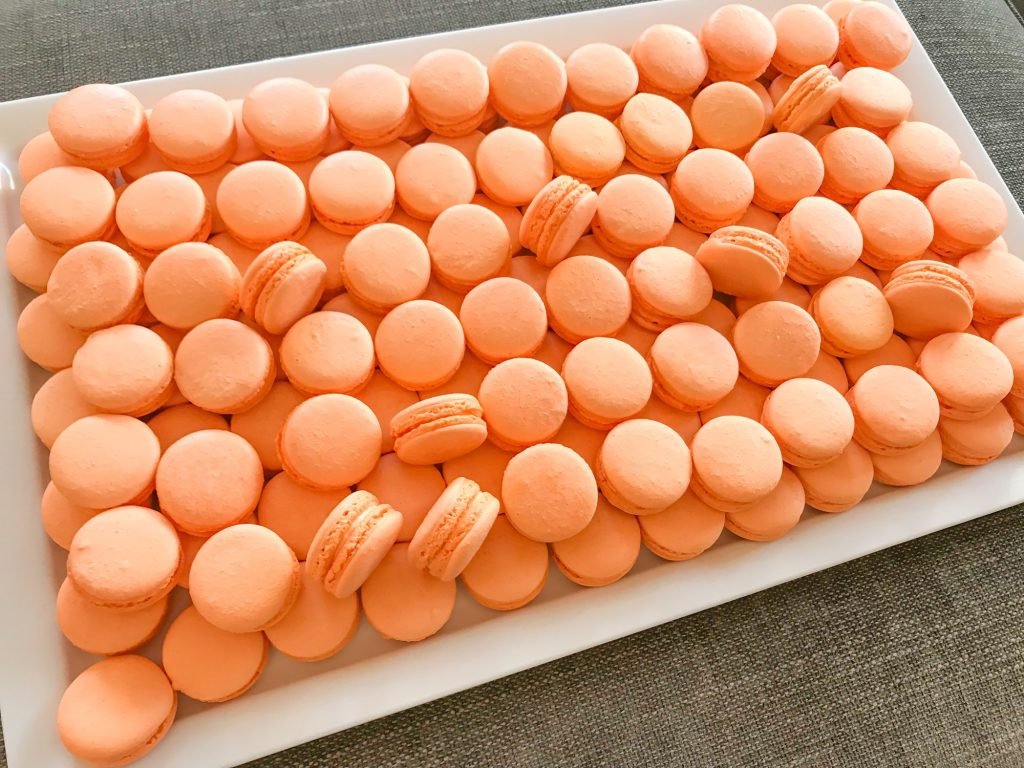
Deep colors require a highly concentrated gel or powder and a recipe that tolerates it. Choose a shade close to the final target instead of building it from several pale colors. Add the color in an early, controlled stage and bake a test tray because heat stability varies by pigment.
If the amount needed changes the batter, accept a slightly softer shade or use a recipe developed with a naturally dark ingredient. Do not keep adding gel to chase the color in a recipe that has already reached its texture limit.
How to Make White Macarons
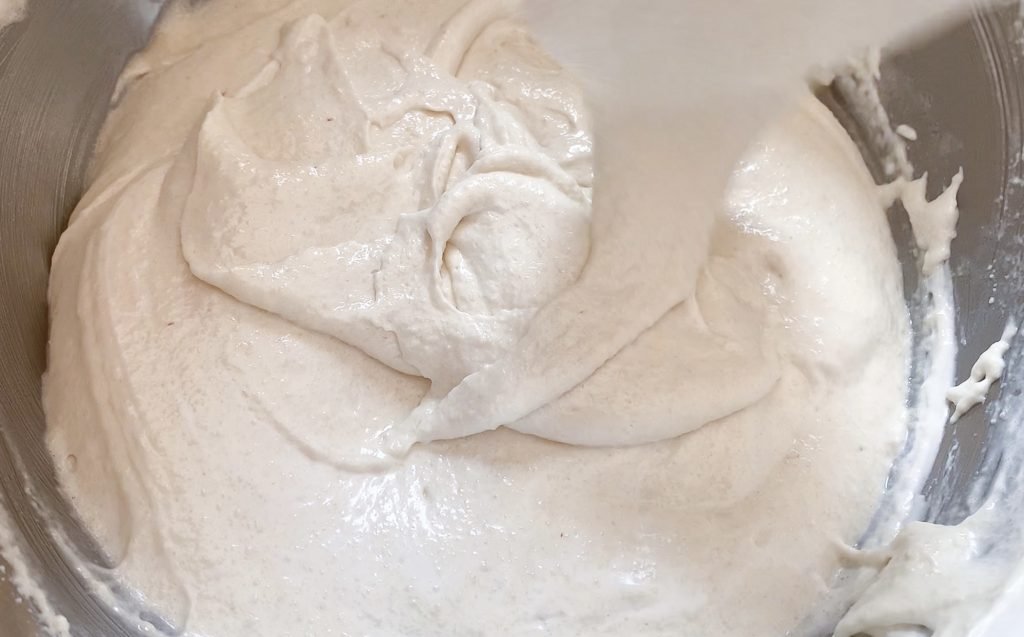
Macaron ingredients are naturally ivory, and heat can add yellow or brown tones. A perfectly paper-white shell is not always realistic without a white color additive.
- Use pale blanched almond flour and clear or light flavoring.
- Add the smallest trace of violet gel to neutralize yellow; too much makes gray or lavender shells.
- Use the lowest tested temperature that still fully sets the interior.
- If the tops brown first, place an empty tray on a rack above as a heat shield.
- If the bases brown, test a lighter tray or an additional tray underneath.
White-color formulas and laws differ by country. Titanium dioxide (E171) is no longer authorized as a food additive in the European Union, so check the current label and local rules instead of relying on an old product recommendation.
How to Make Black Macarons
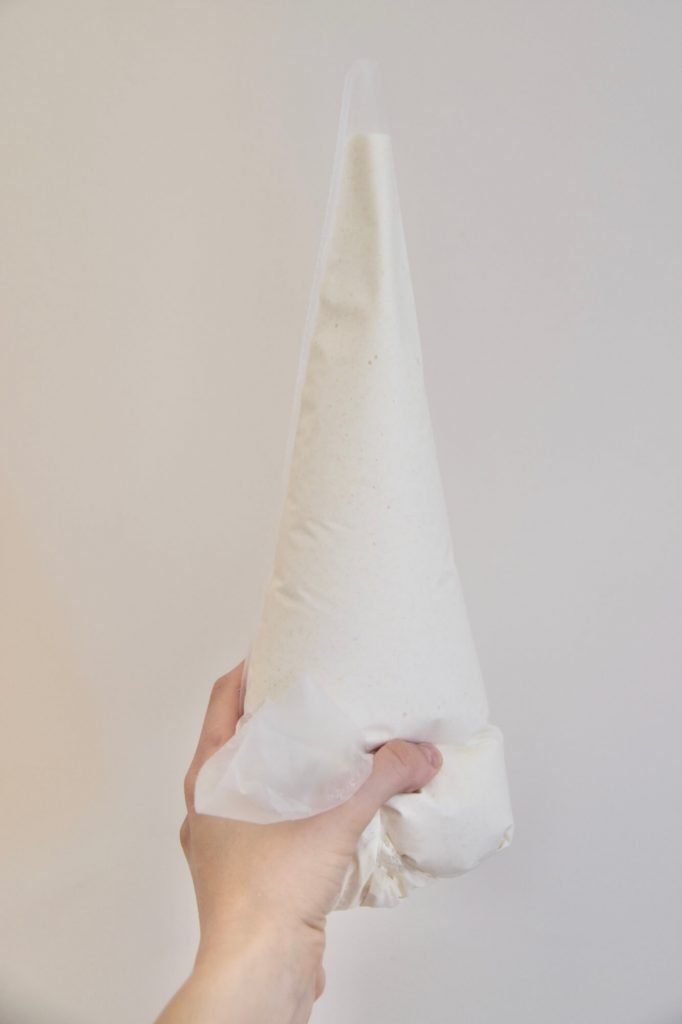
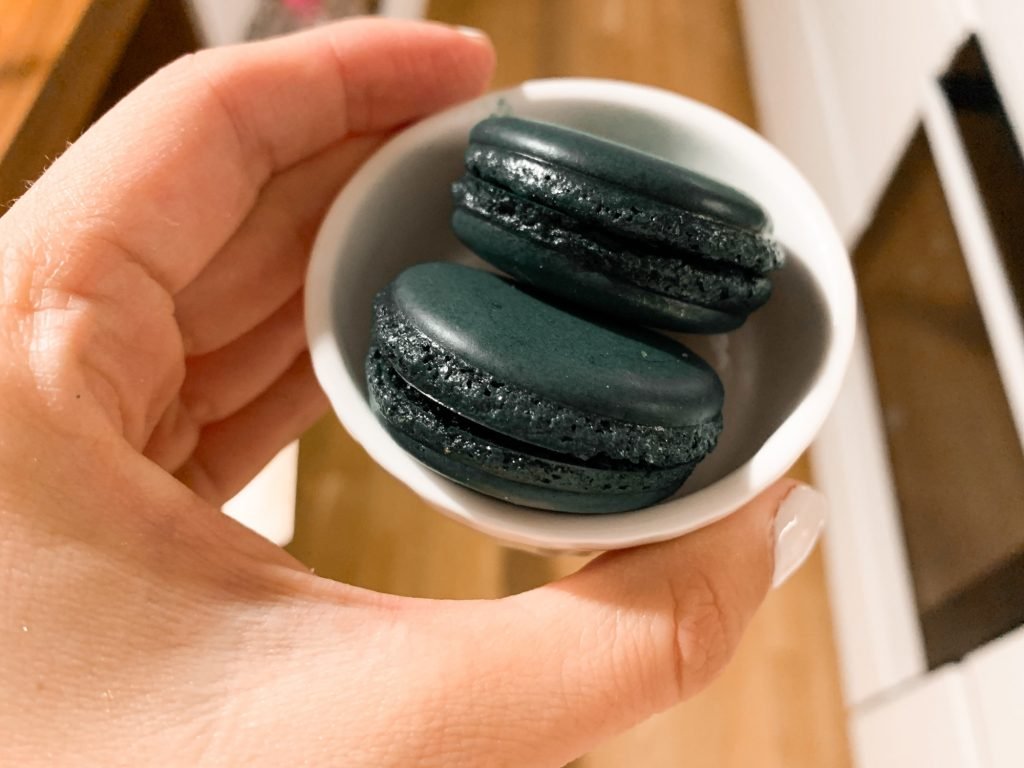
Black is difficult because repeatedly adding gel can loosen the batter and create an aftertaste. Begin with a dark base recipe when appropriate, such as a tested chocolate or black-cocoa macaron, then deepen it with concentrated black gel or powder. Do not add cocoa to a standard formula without adjusting the dry ingredients.
- Aim for dark gray in the bowl and evaluate it after baking.
- Use a black color designed for batter, not decorative dust.
- Test the flavor before making a large batch.
- Wear gloves and protect the work surface because concentrated black color stains.
How to Make Red Macarons
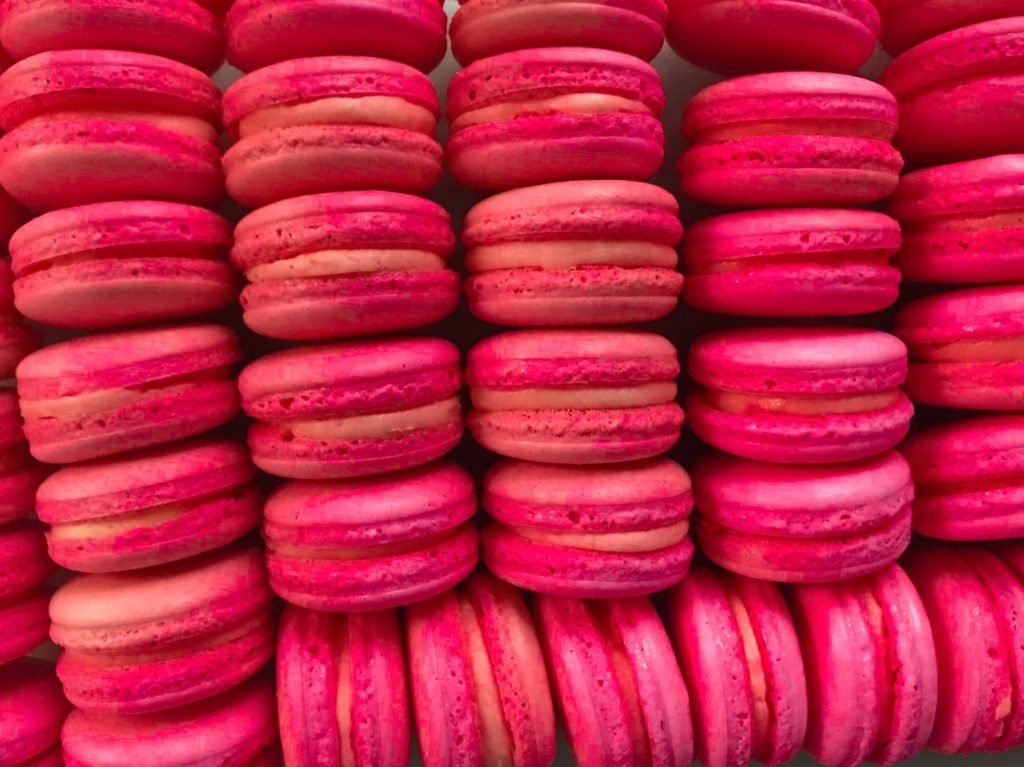
Choose a concentrated true-red or deep-red shade rather than starting with pale pink. Add it before final macaronage and expect some pigments to fade or shift in the oven. Test the exact product because food-color formulas are changing.
In the United States, the FDA revoked authorization for FD&C Red No. 3 in food, with a January 15, 2027 reformulation deadline. Read the current ingredient label when replacing a red, pink, purple, or mixed-color product rather than assuming an older recommendation still has the same formula.
How to Mix Purple for Macarons
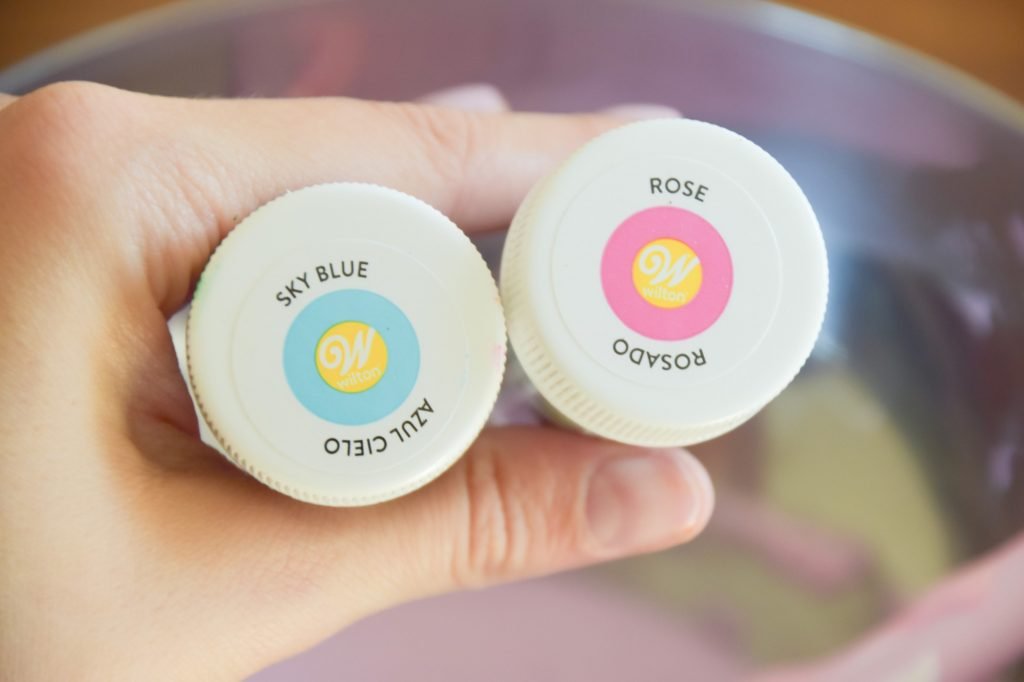
Purple can turn gray when the blue and red components are not balanced or are unstable in heat. Mix a concentrated pink or magenta with a small amount of blue, then test-bake the shade. Begin with pink and add blue gradually because blue can dominate quickly.
The exact ratio depends on the products. Record the ratio after a successful batch and use the same almond flour, oven profile, and lighting when comparing colors.
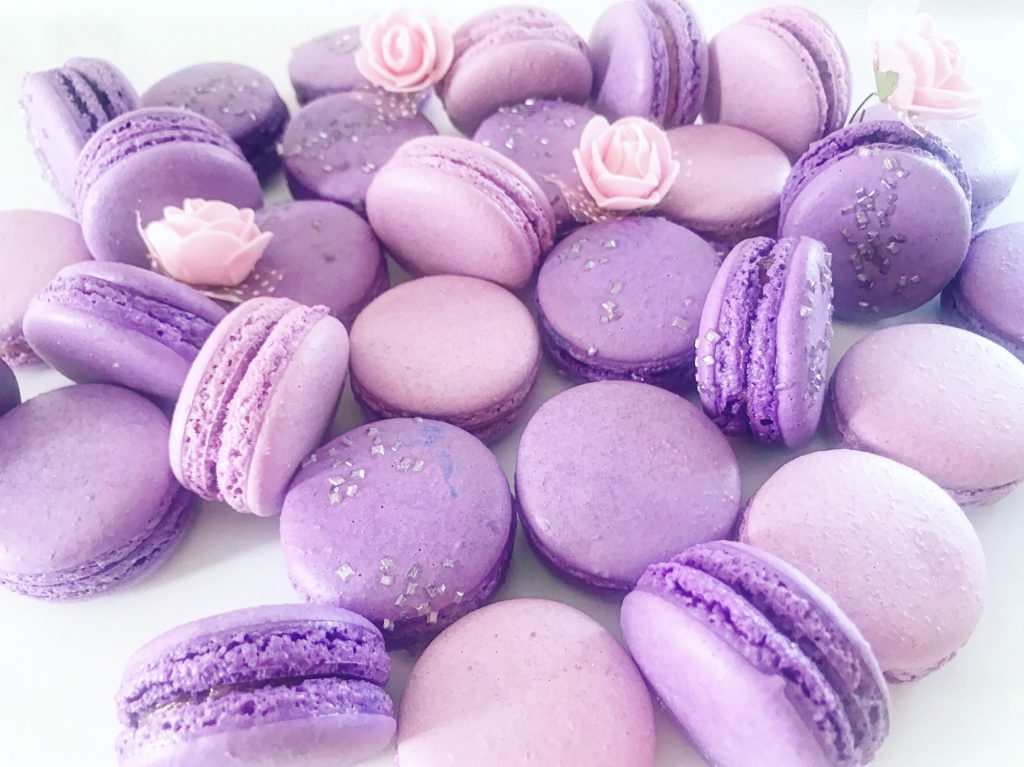
See the updated blueberry macarons for a complete purple-shell recipe.
Food-Coloring Problems and Fixes
| Problem | Likely cause | What to test |
|---|---|---|
| Color fades | Heat-sensitive pigment or extended bake | Test a heat-stable color and verify oven temperature |
| Dark specks | Powder or paste did not disperse | Mix color into a small portion first |
| Splotchy shells | Uneven mixing or condensation | Disperse fully and protect cold shells from humid air |
| Runny batter | Too much liquid color or extra folding | Use a more concentrated product and stop earlier |
| Bitter flavor | Excess coloring | Use less, choose a stronger product, or accept a lighter shade |
| Brown tops | Oven heat or bake time is excessive | Verify heat, adjust rack, and use a test tray |
If color changes coincide with cracks, hollows, or weak feet, diagnose the shell with the hollow macaron guide and the complete troubleshooting guide.
Food-Coloring Safety
- Use products explicitly labeled edible and approved for the intended application.
- Read the ingredient and allergen label every time you replace a product; formulas change.
- Follow local regulations when selling or shipping macarons across regions.
- Keep brushes, toothpicks, and containers clean and dedicated to food use.
- Do not substitute craft pigment, decorative-only dust, or a product labeled only non-toxic.
For current U.S. color-additive information, consult the FDA color additives overview.
Frequently Asked Questions
Can I Add Food Coloring During Macaronage?
Yes, but add it near the beginning while the batter still needs folding. Adding color when the batter is almost ready encourages overmixing and uneven streaks.
How Much Gel Color Should I Use?
There is no universal amount. Begin with a toothpick smear or tiny drop for a home batch and increase only while the mixture still needs mixing. Product concentration and batch size matter.
Can I Use Natural Food Color?
Some natural colors work, but many are less concentrated or less heat-stable. Check the manufacturer’s intended uses and test the exact shade in your recipe.
Why Do My Macarons Change Color in the Oven?
The pigment may be heat-sensitive, the oven may be hotter than its setting, or the shells may be baking longer than needed. Check actual heat before adding more color.
Final Coloring Checklist
- The product is edible and intended for batter.
- The color is concentrated gel or powder.
- It is added before final macaronage.
- The batter endpoint controls when folding stops.
- One test tray is baked before an important order.
- The successful brand, shade, and amount are recorded.
Enjoy your macarons!
Belli xx