
Why Are My Macarons Hollow? Causes and Fixes
Published · Updated
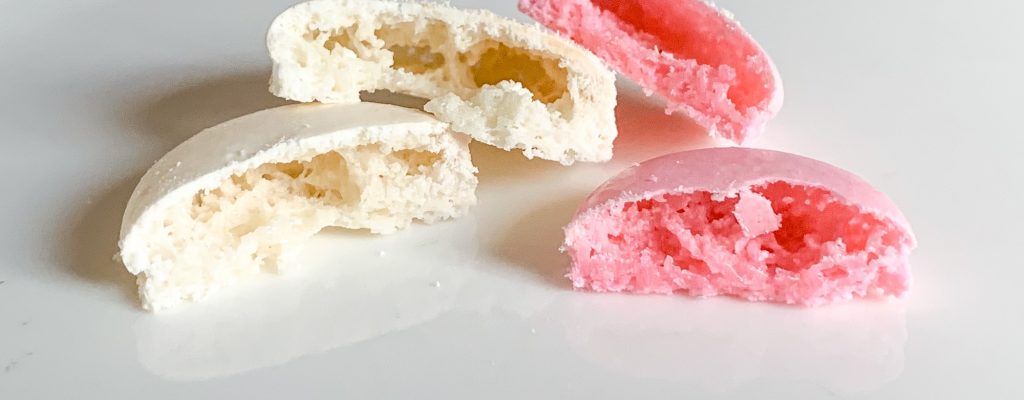
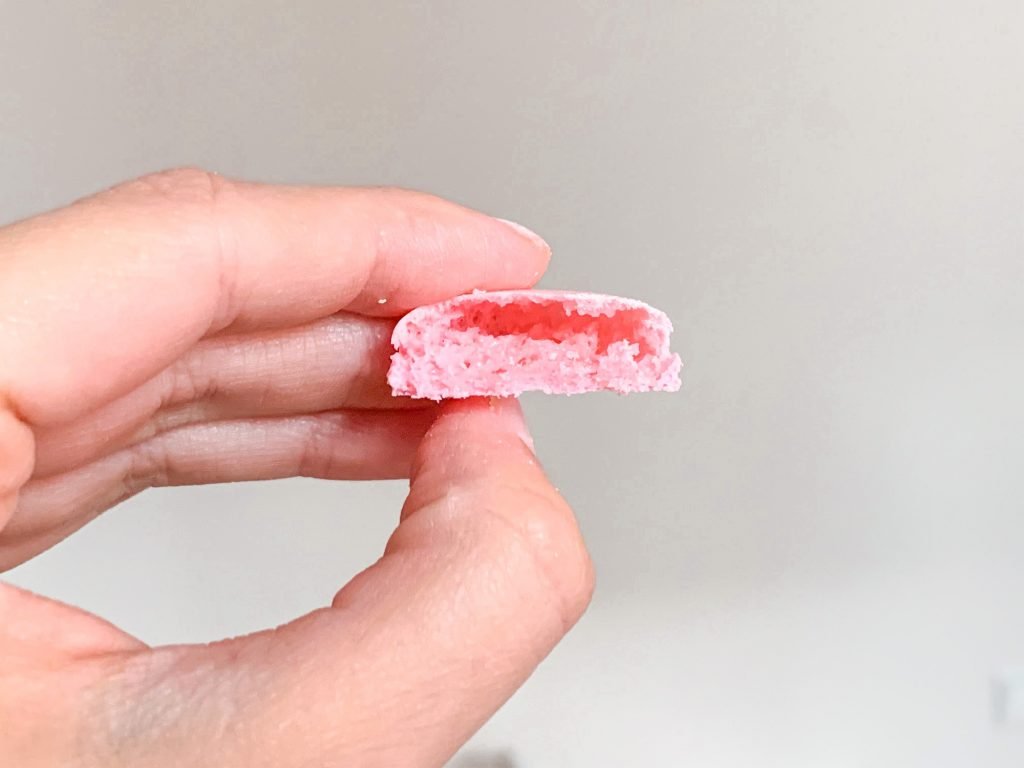
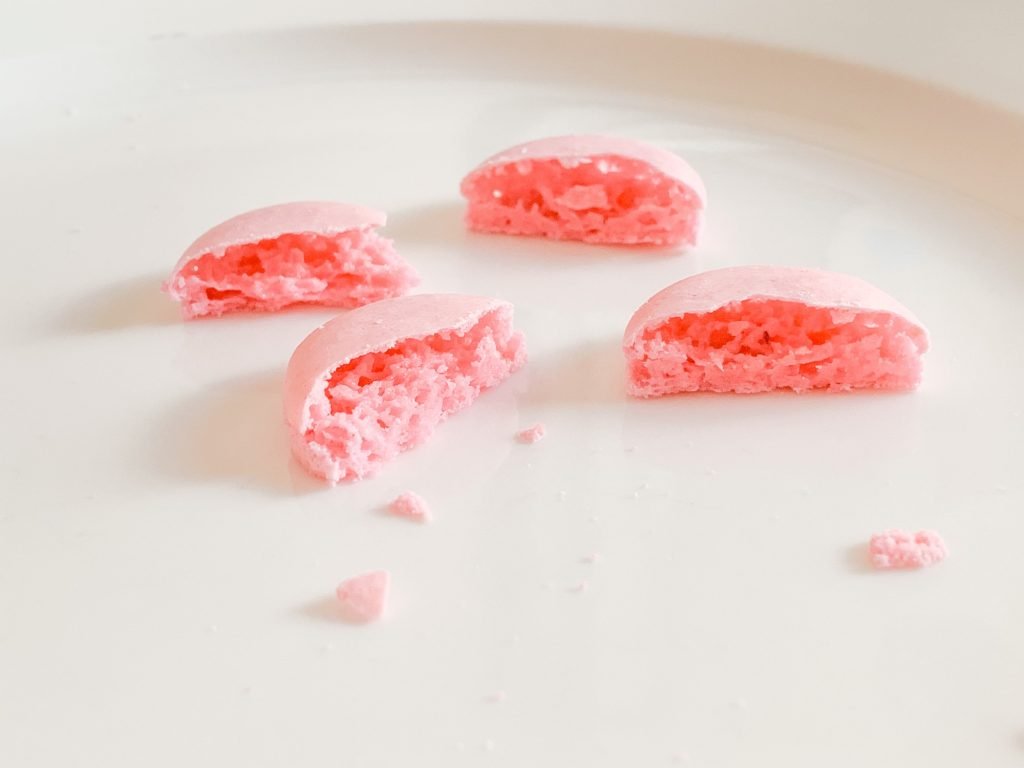
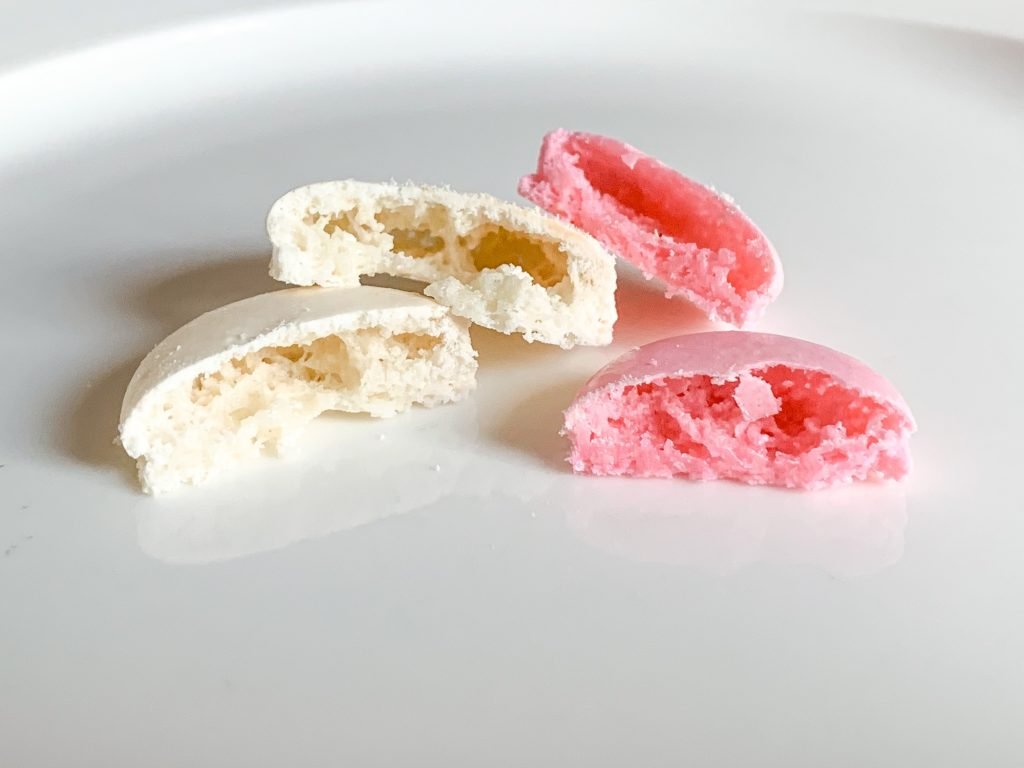
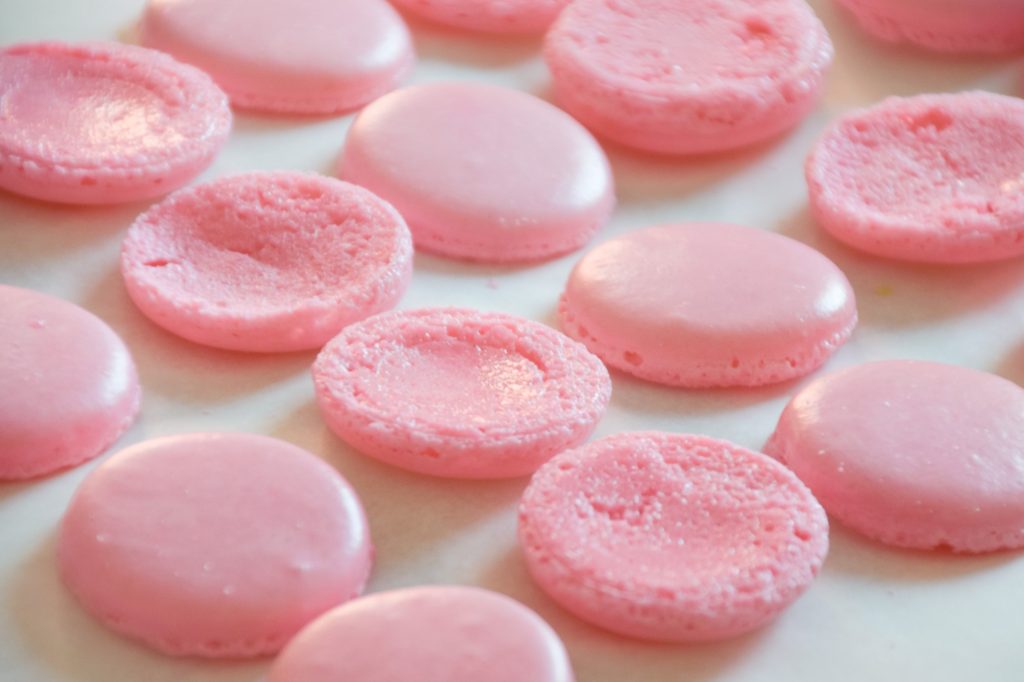
Hollow macarons have a noticeable air pocket between the top shell and the chewy interior. A small gap is common and may soften after filling, but a large empty cavity usually points to a mismatch between meringue strength, macaronage, and the way the shells rise and set in the oven.
There is rarely one universal cause. The fastest way to solve hollows is to diagnose the whole shell, change one variable at a time, and compare a test tray with your usual result.
Hollow Macarons at a Glance
| What you see | Most useful first check | What to test next |
|---|---|---|
| Large clean cavity under a firm top | Meringue may be too stiff or batter under-mixed | Stop whipping slightly earlier or continue macaronage a little longer |
| Wet or gummy interior that sinks | Shells are underbaked | Verify the oven and extend the bake in small increments |
| Very tall feet and fragile top | Expansion may be too fast | Test slightly lower heat and check meringue endpoint |
| Flat, spreading shells | Batter may be over-mixed | Stop macaronage earlier; do not add more dry ingredients |
| Random pockets rather than one cavity | Large bubbles remained after piping | Tap the tray and pop visible bubbles |
These patterns are starting points, not absolute rules. The same appearance can have more than one cause, especially when the oven temperature is inaccurate.
What Counts as a Hollow Macaron?
Cut a completely cooled, unfilled shell through the center with a sharp serrated knife. A well-baked shell should have a thin crisp exterior and a set interior that largely reaches the top. A narrow gap does not automatically mean the batch failed, particularly after the macarons have matured with filling.
Judge the texture as well as the cross-section. If the shell is crisp outside, chewy inside, stable when handled, and pleasant after filling, a small pocket is mostly cosmetic. A shell with a large cavity, wet base, or paper-thin top needs troubleshooting.
The Most Common Causes of Hollow Macarons
1. Meringue Whipped Too Stiff
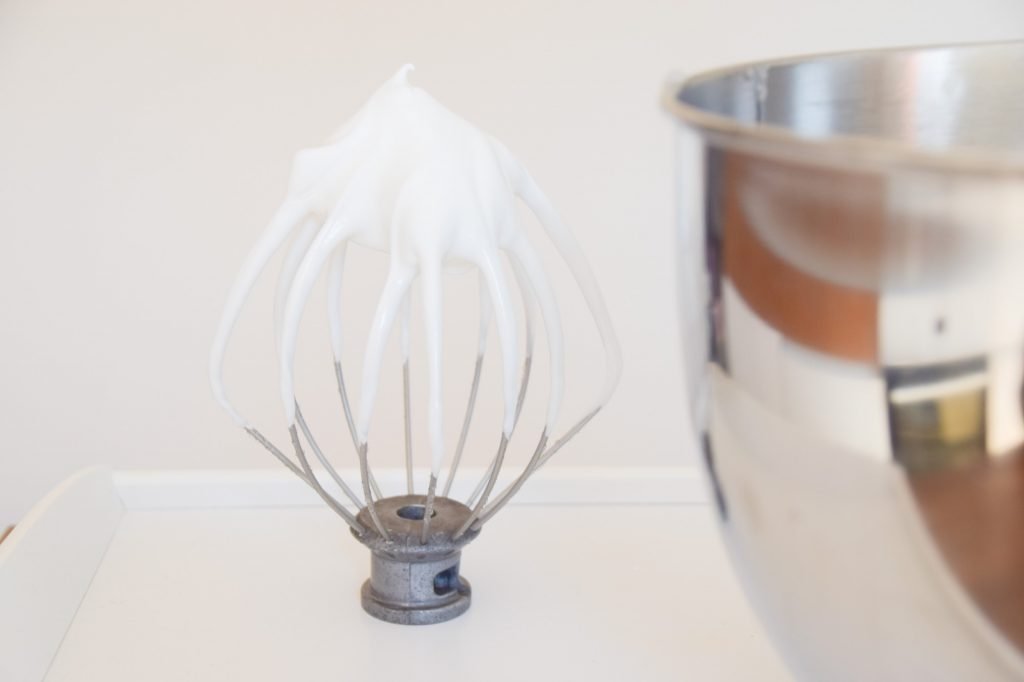
An excessively stiff meringue can hold more air than the batter can support. In the oven, the top may rise quickly and set while the interior falls away from it. For French or Swiss meringue, stop when the meringue is glossy and holds a firm peak without looking dry, clumpy, or cottony. For Italian meringue, use the endpoint described in your recipe rather than whipping for a fixed number of minutes.
A weak, under-whipped meringue can cause other structural problems too, so the answer is not simply to whip less. Photograph the peak and bowl texture from a successful batch and use that as your reference.
2. Under-Macaronaged Batter
Batter that is still too thick can trap large amounts of air. The shells may rise too abruptly, leaving a gap below the top. Continue folding until the batter falls in a slow, continuous ribbon and the ribbon gradually settles into the surface. The figure-eight test is useful only when combined with the ribbon and settling tests.
Folding speed by itself is not a reliable cause of hollows. Macaronage removes and redistributes air; it does not normally add air to the batter. Focus on the final consistency rather than counting folds or deliberately moving as slowly as possible.
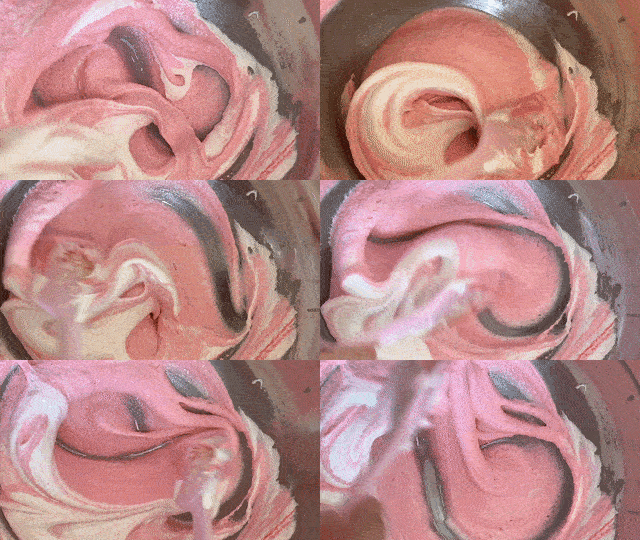
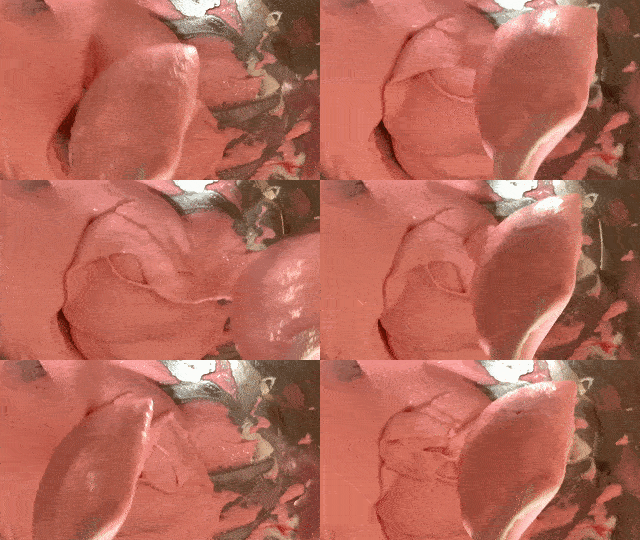
See the complete macaronage guide for side-by-side endpoint tests.
3. Over-Macaronaged Batter
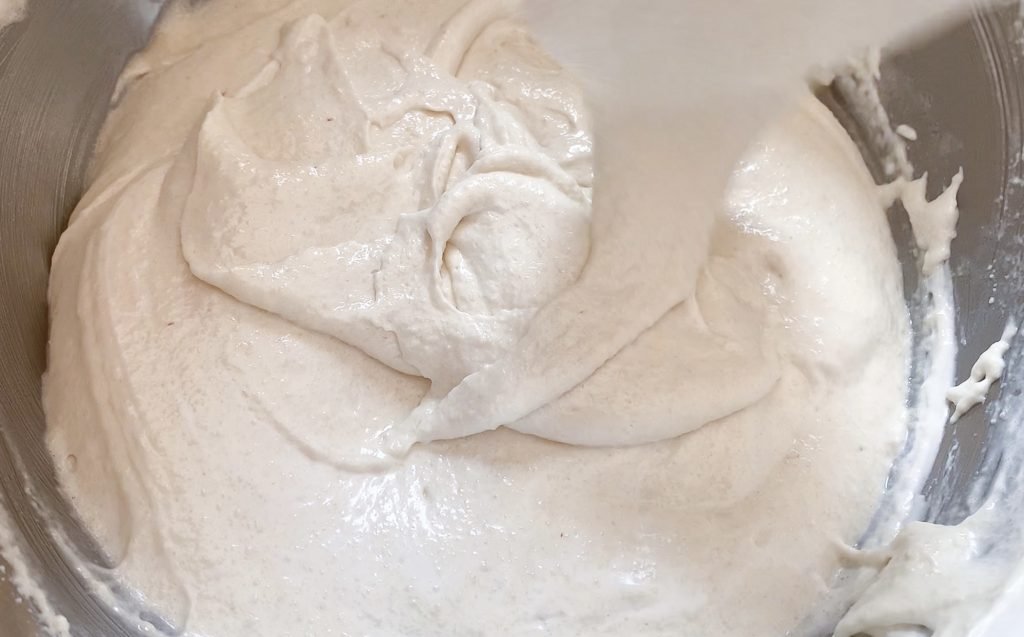
Overmixed batter is more likely to spread, develop weak feet, or produce fragile shells than to create one neat cavity. It can still contribute to poor internal structure because too much air has been removed. Stop folding as soon as the batter passes the ribbon, figure-eight, and surface-settling tests. Overmixed batter cannot be reliably repaired by adding almond flour or meringue.
4. Oven Temperature Is Too High
If the heat is too strong, the shell can expand and set before the interior has time to rise evenly. The result may be a tall shell with a large hollow space. Reduce the tested setting in small steps, such as 5°F to 10°F (about 3°C to 6°C), and keep the tray, baking surface, rack position, and batch size the same.
Do not use a universal fan-to-conventional conversion for macarons. Fan strength, element position, tray color, and oven cycling differ. Check the actual temperature with a separate oven thermometer and run a small test tray.
5. The Shells Are Underbaked
A shell may look finished on top while the interior is still wet. After cooling, the unset center can collapse toward the base and leave a cavity. The tops should not wobble on their feet, the base should release after cooling, and the cut interior should look set rather than gummy.
If the color and feet look good but the center is wet, keep the same temperature and add 1–2 minutes to the next tray. If the tops brown before the centers set, test a slightly lower rack or place an empty tray on a rack above as a heat shield.
6. Large Air Bubbles Remain After Piping
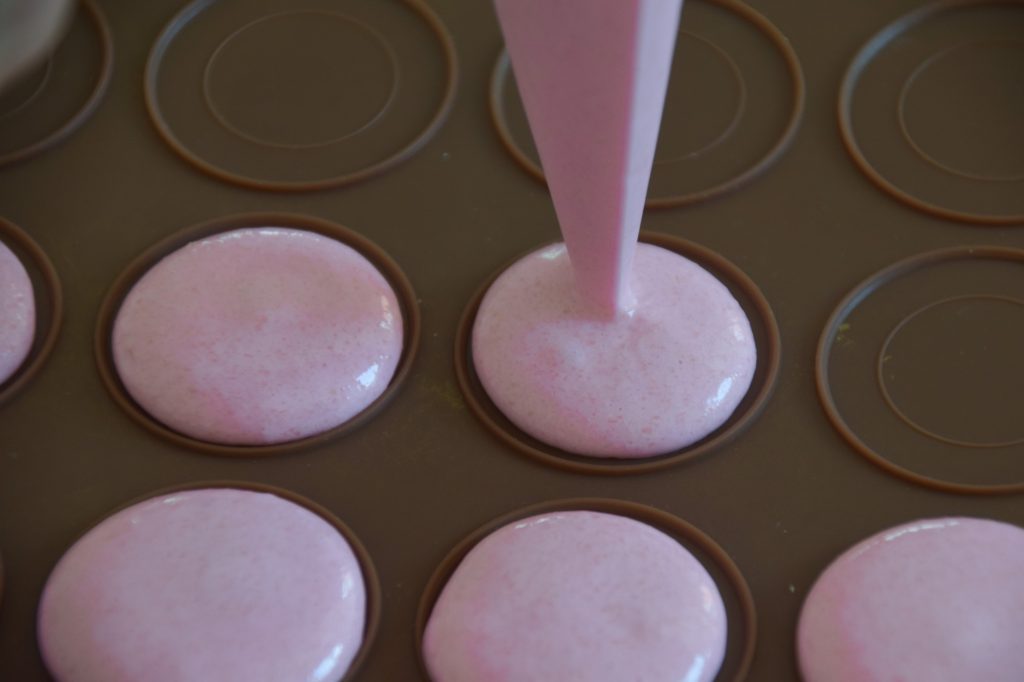
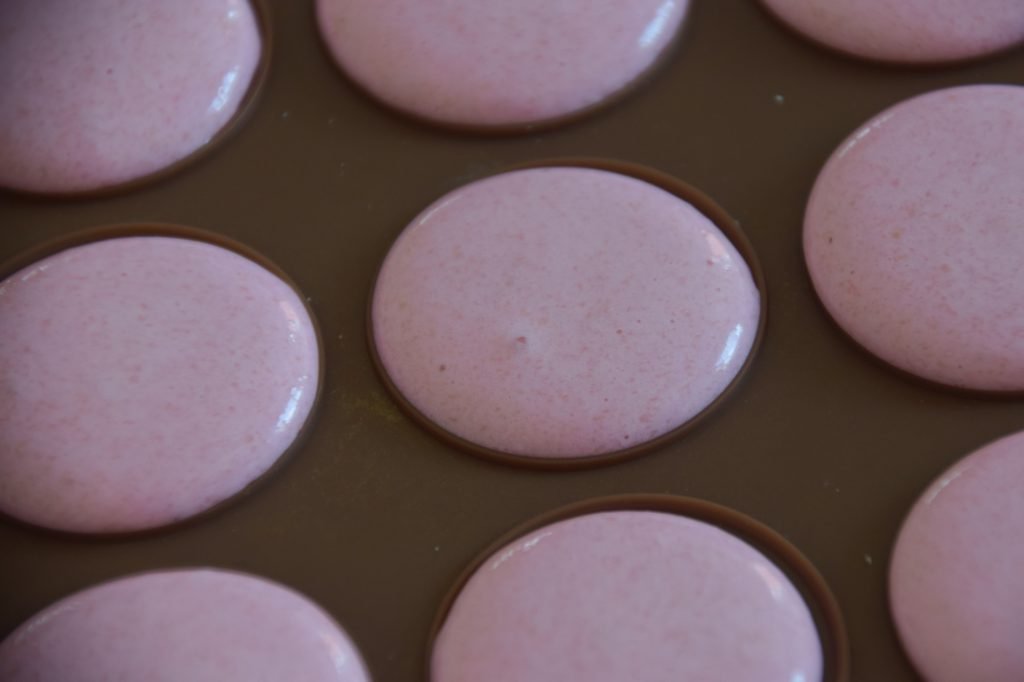
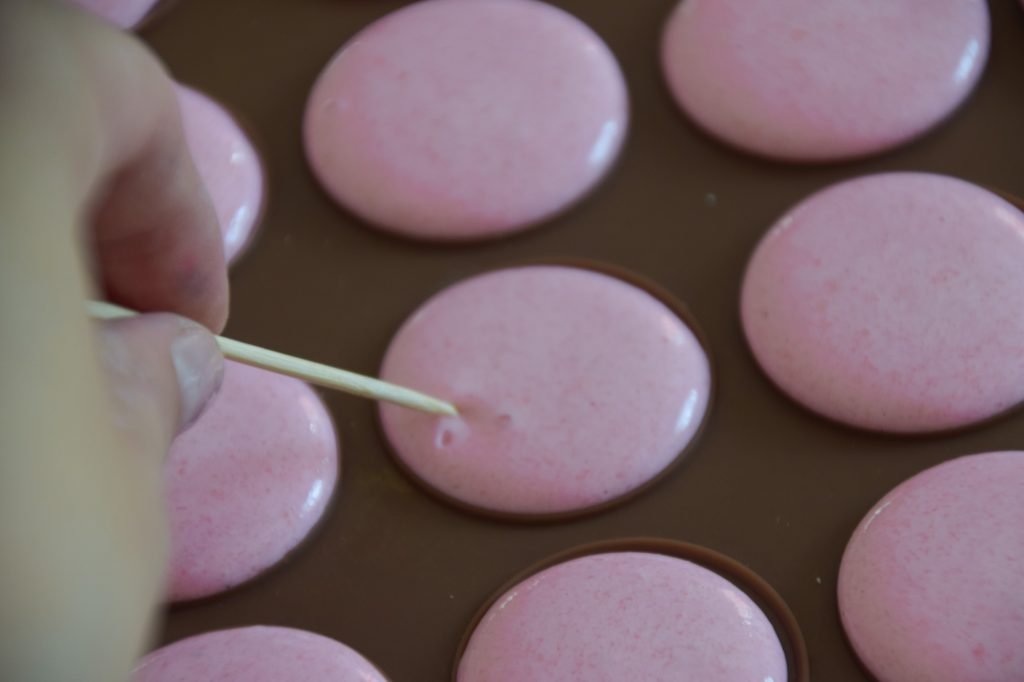
Large bubbles can create isolated pockets, cracks, and weak spots. After piping, tap the tray firmly against the counter several times and rotate it between taps. Pop visible bubbles with a toothpick before the surface begins to dry.
7. Resting, Humidity, and Added Color
Humidity and resting time affect how the skin forms, but they are usually indirect causes rather than a complete explanation for hollows. Rest until a light touch does not pick up batter if your recipe requires a skin. Avoid letting trays wait for hours while the meringue loses structure.
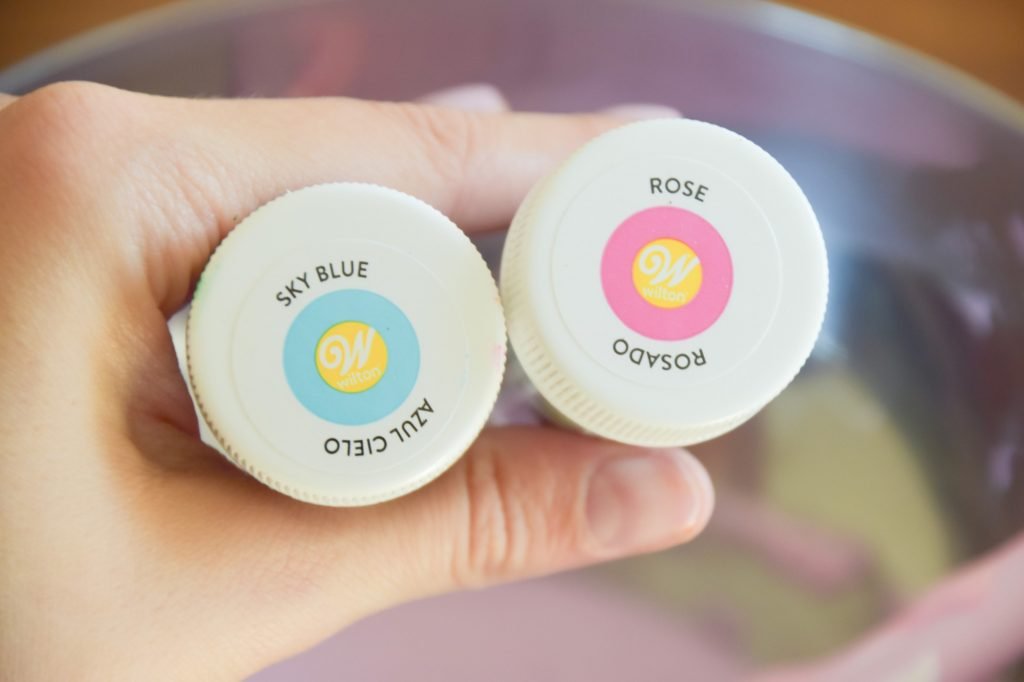
Large amounts of liquid or gel color can change the batter and encourage extra folding. Use concentrated gel or powder and add it before macaronage is finished. Read Best Food Coloring for Macarons for type and quantity guidance.
What Is Not Automatically a Cause?
- Frozen egg whites: whites that were frozen cleanly, thawed completely in the refrigerator, and brought to the recipe’s intended temperature can work. Their frozen state alone does not prove the cause.
- A plastic bowl: plastic can retain grease more easily, but the important issue is whether the bowl and whisk are completely clean and fat-free.
- One exact fold count: bowl shape, batch size, meringue, and folding motion change the number. Use visual tests.
- One universal baking temperature: the correct setting is the one that fully sets the shells in your measured oven without excessive browning or expansion.
- Weather alone: humidity changes drying and consistency, but first verify meringue, macaronage, and actual oven heat.
A Controlled Troubleshooting Plan
- Bake your normal recipe once without changing anything and record ingredient weights, meringue endpoint, macaronage, rest time, tray, oven mode, measured temperature, and bake time.
- Cut three completely cooled shells from different parts of the tray. Decide whether the problem is a clean cavity, a gummy center, or random pockets.
- If the center is wet, extend the bake first. If the cavity is dry with a tall top, test slightly lower heat or a less-stiff meringue.
- If the batter piped with points and barely settled, continue macaronage slightly longer on the next batch.
- If the batter spread rapidly, stop macaronage earlier next time.
- Change only one variable per test and compare shells from the same tray position.
The King Arthur Baking macaron workbook also identifies under-macaronage, overly stiff meringue, trapped bubbles, and oven heat as useful checks.
Can Filling Fix Hollow Macarons?
Filling and refrigerating macarons for 12–24 hours can soften the interior and make a small gap less noticeable. It does not rebuild a missing interior or identify the cause. Pressing the bottom inward before filling is also a cosmetic workaround, not a structural fix.
Use safe, fully baked shells if the texture is enjoyable. Discard shells with raw, wet interiors rather than relying on filling to hide underbaking.
Frequently Asked Questions
Why Are My Macarons Hollow but Otherwise Perfect?
Start with the meringue endpoint and oven profile. A dry, large cavity beneath a smooth top often indicates that the top rose and set faster than the interior could support.
Can Overmixing Cause Hollow Macarons?
It can weaken internal structure, but overmixed batter more commonly spreads and forms weak feet. Use the full appearance of the shell instead of diagnosing from the cavity alone.
Should I Raise or Lower the Oven Temperature?
Lower the heat slightly when shells rise aggressively, brown, or set with a large dry cavity. Extend the bake or test slightly more heat when the interior is wet and the shells wobble or stick. Verify the oven before changing the dial.
Do Hollow Macarons Taste Bad?
A small hollow may be barely noticeable after maturation. A large cavity makes the shell fragile, and a wet interior tastes gummy or raw. Texture and doneness matter more than achieving a completely gap-free cross-section.
When Should I Check for Hollows?
Cut completely cooled shells before filling. Checking one hot shell can mislead you because the interior is still setting and releasing steam.
Final Checklist
- Meringue is glossy and firm, not dry or clumpy.
- Batter flows in a slow ribbon and settles gradually.
- Trays are tapped and visible bubbles are popped.
- Resting matches the recipe and room conditions.
- Actual oven temperature is verified.
- Shells do not wobble and the interiors are fully set.
- Only one variable changes between tests.
Use the full macaron troubleshooting guide when hollows appear with cracks, missing feet, browning, or lopsided shells.
Enjoy your macarons!
Belli xx