

How to Save Money Making Macarons
Published November 16, 2021 · Updated August 19, 2026
You can save money making macarons without sacrificing consistency. The largest savings usually come from preventing failed batches, comparing prices by weight, using equipment you already own, and buying only what your chosen method needs.
Quick answer: repeat one tested gram-based recipe, calculate cost per successful macaron, keep decorations simple, and upgrade tools only when a basic item limits your results.
Calculate the Real Cost per Batch
Compare ingredients by usable weight, not package price. Divide package price by net weight, multiply by grams used, then add filling, coloring, liner, and packaging.
- Ingredient cost: price per gram × grams used
- Batch cost: shells + filling + decoration + disposable supplies
- Cost per filled macaron: batch cost ÷ actual finished yield
- Waste: count cracked or unusable shells so the estimate is honest
Repeat One Reliable Recipe
Changing formulas every time hides the source of problems. Choose a recipe written in grams and repeat it before changing one variable. The Italian macaron recipe includes exact temperatures and visual cues. Do not automatically halve a formula: very small egg-white portions may not engage the whisk.
Buy Almond Flour for Usable Yield
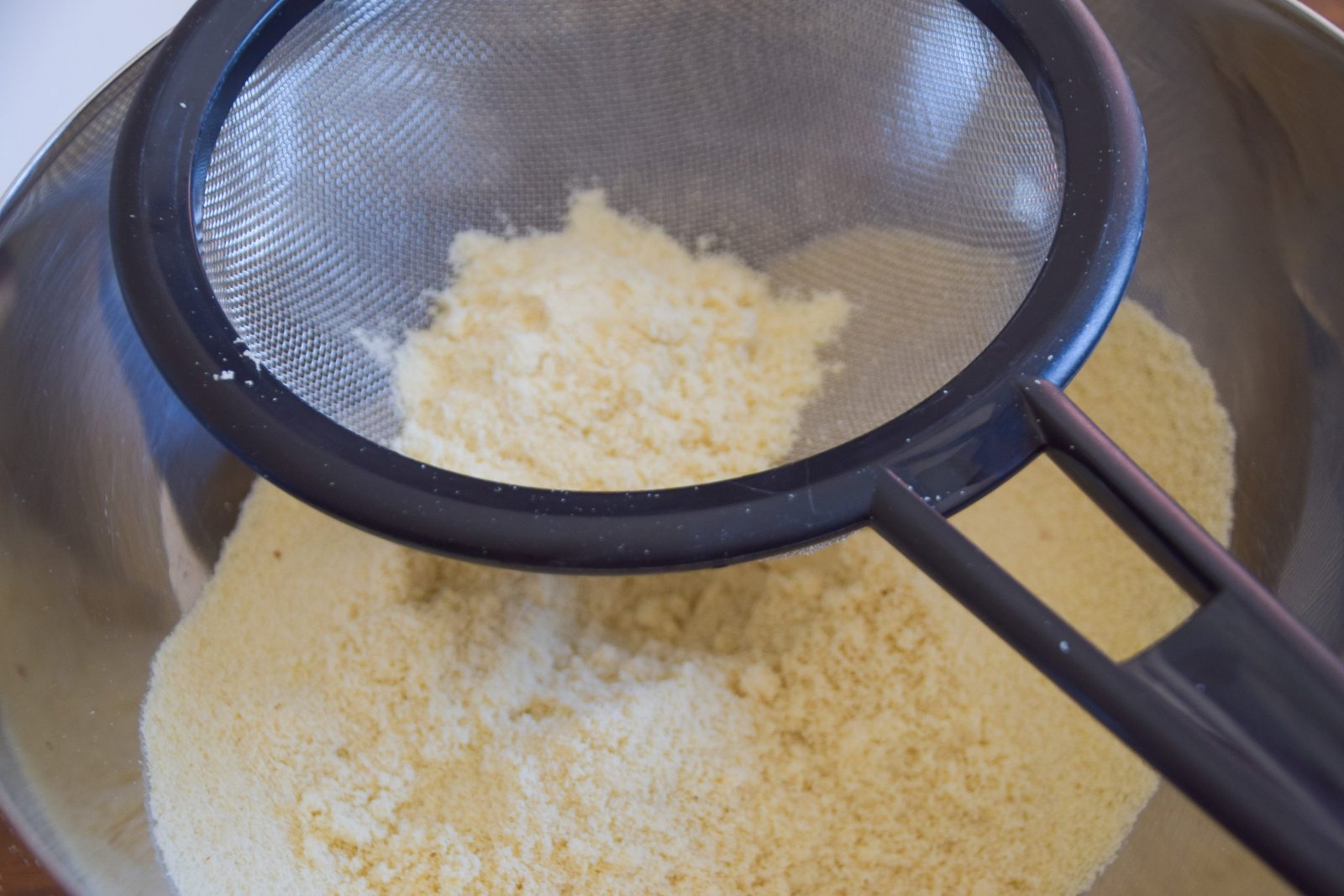
Compare finely ground blanched almond flour by price per 100 g or pound. A larger bag saves money only if you can store it airtight and use it while fresh.
Homemade almond flour is not automatically cheaper. A processor can create uneven meal or almond butter, and high-heat drying may toast it. If you test homemade flour, pulse blanched almonds briefly with part of the measured powdered sugar, sift, and compare the usable fine yield with ready-made flour.
Do Not Halve the Powdered Sugar
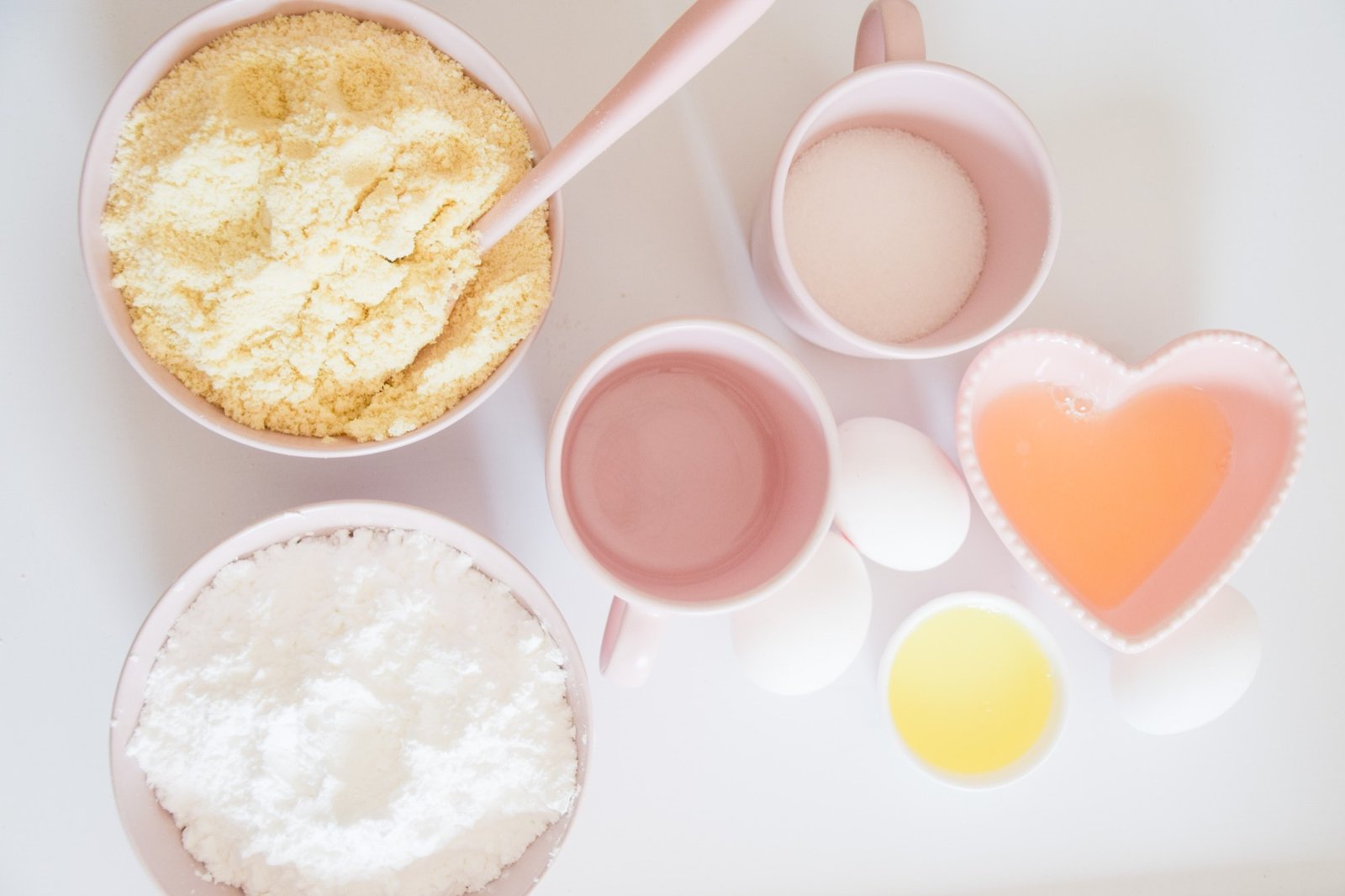
The previous advice to use half as much granulated sugar when making powdered sugar was incorrect. Use the full recipe weight. Commercial powdered sugar is consistently fine and usually contains some starch; homemade ground sugar may remain gritty and behave differently.
Choose a Method That Matches Your Equipment
French-method macarons do not require a syrup thermometer. Italian-method macarons need a saucepan and thermometer but can provide a structured meringue. The cheapest method is the one you can repeat successfully.
Buy Essential Tools First
- Digital scale reading in 1 g increments
- Hand or stand mixer
- Fine-mesh sieve
- Flexible silicone spatula
- Flat light-colored trays
- Parchment or a flat silicone mat
- Piping bag or sturdy food-safe freezer bag
- Oven thermometer if the oven is unreliable
- Sugar thermometer only for the Italian method
A hand mixer can make excellent macarons. A stand mixer is convenient, not inevitable.
Simplify Color and Decoration
Uncolored shells remove one expense and one variable. When adding color, buy one concentrated gel or powder and record the amount. Read the food-coloring guide before choosing a product.
Compare Parchment and Silicone
Parchment has a low upfront cost. A good silicone mat costs more but can be reused. Switching liners can change bake time; see the parchment-versus-silicone comparison.
Keep Fillings and Packaging Simple
- Use one dependable buttercream or ganache base.
- Choose seasonal fruit or thick jam.
- Label and refrigerate dairy, egg, and fruit fillings correctly.
- Use an airtight reusable container at home.
- For gifts, use clean packaging intended for food contact.
Avoid False Economies
- Replacing a scale with cups in a gram-based recipe
- Buying almond flour that becomes stale
- Grinding sugar or almonds without counting usable yield
- Using ordinary grocery bags as piping bags
- Buying a decoration set before the shell is consistent
- Changing several variables in one test

The goal is not the cheapest ingredient. It is the lowest cost for each successful, good-quality macaron.
Enjoy your macarons!
Belli xx